
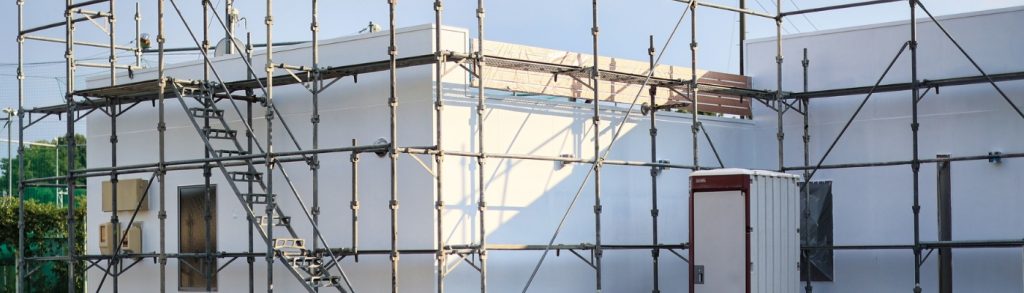
Why Exterior Painting Is Safer and Faster with Scaffolding
When it comes to exterior painting and decorating, many homeowners picture someone teetering on a wobbly ladder, reaching awkwardly to coat the upper walls or eaves — a slow process, and not always safe. But there is a smarter, more efficient way. When you use a properly erected scaffold instead of ladders or makeshift platforms, exterior painting becomes not just safer but significantly faster. That difference matters whether you are refreshing the paint on a two-storey home or giving your building a full facelift. In this article we explore why exterior painting is safer and faster with scaffolding, how a professional scaffolding setup supports painting quality, and what homeowners should consider when planning an exterior decorating project.
Working on a building’s exterior always carries inherent risks. Using ladders for high walls or awkward rooflines can cause instability, especially if the ground is uneven or the painter must constantly move up and down. A scaffold, by contrast, offers a stable, level platform, with guard rails and a wide working area. That stability dramatically reduces the risk of slips or falls. With the scaffold set up correctly, painters can focus on their work without balancing precariously or shifting a ladder every few minutes. That improved safety tends to result in fewer accidents and lower stress for everyone involved.
Beyond safety, scaffolding speeds up painting because it enables efficient movement. Painters and decorators can carry tools, paint cans, brushes or rollers onto the platform and move freely across large sections of wall without having to climb up or down repeatedly. That ease of access saves time and reduces physical fatigue. When painting under better working conditions, the finish is likely to be more consistent and of higher quality, because decorators can apply paint evenly without stretching or awkward reaches.
In addition to safety and speed, scaffolding supports better planning, coordination and overall project management. A stable scaffold setup can remain in place for the duration of painting, including drying and any touch-ups. That means the team does not have to set up and dismantle access each time they need to work — which saves time, minimises disruption and helps ensure a smoother workflow from start to finish. For larger homes or multi-storey buildings, scaffolding becomes almost essential.
Using a scaffold rather than ladders or unstable access also reduces the chance of accidental damage to gutters, window frames, roof tiles or masonry. When workers climb ladders or use improvised platforms, there is a greater risk of bumping or leaning on fragile surfaces. A scaffold, with properly spaced planks and secure supports, provides a firm base that prevents undue pressure on vulnerable building parts. This helps maintain the integrity of the exterior while work is being carried out.
Finally, a professional scaffolding service brings expertise, compliance and confidence. A trained scaffolding team will know how to design a scaffold layout tailored to the building’s shape and the nature of the painting work. They will ensure safety regulations are met, guard rails are in place, the scaffold is stable even on uneven ground and all parts are securely fastened. With that professional setup, painters can focus entirely on delivering a high-quality paint job — not worrying about their safety or the adequacy of their access.
Why Scaffolding Makes Exterior Painting Safer
When painting the exterior of a house, safety should always be the top priority. A scaffold provides a level, secure platform that supports painters, their tools and equipment. Compared with ladders, scaffolding substantially reduces the risk of falls. Workers do not need to shift ladders for every new section of wall, climb up and down repeatedly, or lean dangerously to reach high areas. Instead, they have a stable workspace with guard rails that surround the working area, protecting them from slips and missteps. This is especially important for multi-storey homes or buildings with steep roofs, awkward contours or high eaves.
Using scaffolding also reduces fatigue and strain. Painting high walls or ceilings with a ladder can be physically taxing and mentally exhausting when workers must constantly adjust balance while reaching outwards or downwards. This increased effort can cause mistakes or lead to accidents — particularly towards the end of the day when attention and energy levels drop. With a scaffold, painters avoid the repetitive movement of climbing up and down, and they can move freely along the platform to reach different parts of the wall. That comfort supports consistent painting quality and ensures safety remains high throughout the project.
Additionally, professional scaffold erection helps ensure compliance with safety standards. A properly built scaffold considers ground stability, building structure, height, load distribution and weather conditions. It is inspected and maintained to avoid hazards such as loose planks or unstable supports. This attentiveness greatly lowers the likelihood of onsite injuries or damage to property. In effect, the scaffold becomes a controlled, safe environment for decorators — far superior to ladders or temporary, unregulated access methods.
Moreover, scaffolding protects not only the painters but also bystanders, pets or children at home. A securely erected scaffold with guard rails and defined work zones helps ensure that tools or materials are not accidentally dropped. It also prevents unauthorised or accidental entry into hazardous zones, reducing the risk of injuries or accidents for those not directly involved in the painting work.
How Scaffolding Speeds Up Exterior Painting Projects
Painting the exterior of a property can be time-consuming — but scaffolding can make the process much quicker. Because scaffolding provides a stable, persistent platform, painters do not need to dismantle and reposition ladders each time they move to a different part of the building. With everything within reach — paint, brushes, rollers — workers can progress continuously along walls, saving precious time and avoiding needless delays.
A scaffold enables multiple painters to work simultaneously on different sections of a building. One decorator might prepare the wall surface while another begins painting elsewhere. With ladders, such coordination is difficult, because only one person can safely work at a time in a given area. Scaffolding removes that limitation and supports teamwork, which accelerates the project and ensures a more uniform result.
Scaffolding also helps manage the project through all stages: surface preparation, painting, drying and touch-ups. A fixed scaffold remains in place during drying periods, which means decorators can return easily for additional coats or final inspection. This avoids the wasted time and effort of re-setting ladders multiple times. For larger homes or buildings with complex exteriors featuring multiple floors, steep roofs or intricate architectural details, scaffolding becomes almost indispensable.
Furthermore, working from a scaffold improves the quality of the paint job. Painters can reach every corner with consistent stroke pressure, even coverage and minimal missed patches. Because the working platform is stable, they can take their time over careful details such as window frames, eaves, gutters and edges — often resulting in a far better finish than with ladders. That quality helps the paint job last longer, reducing the need for early repainting or patching.
What Makes a Professional Scaffolding Service Truly Valuable for Painting and Decorating
It is not just any scaffold that will do. The value lies in a professionally installed, well maintained scaffold tailored to the building and the painting job. A professional scaffolding company will begin by assessing the building, checking ground stability, measuring walls, understanding the scope of work and determining access requirements. They will then design a scaffold layout that provides safe, easy access to every area that needs painting — from gutters and eaves to high walls and windows.
During setup, professionals will ensure every piece is secure. They will check for level and stability, add guard rails for safety, and install adequate planking to allow decorators to move freely and carry tools. They will also consider factors such as weather exposure, weight distribution if materials or paint drums are stored on the scaffold and how many workers will be using the platform. This level of attention helps avoid common problems such as unsteady frames, loose boards or unsafe working spaces.
Once painting begins, a well-installed scaffold supports efficient workflow. Decorators can work for longer periods without breaks caused by climbing up or moving equipment. They can focus on the job rather than worrying about balancing or access. And once the job is done, the scaffold can be taken down quickly and cleanly, leaving the property neat and tidy — no debris, no leftover materials, just a properly painted exterior.
Moreover, working with an experienced scaffolding team brings professionalism and reliability. Trustworthy scaffolding companies prioritise communication, transparency and customer focus. They are fully insured, compliant with regulations and willing to tailor their service to your needs — whether you are repainting a small exterior wall or coordinating a large-scale renovation. That professionalism gives home owners the confidence that the job will be done safely and correctly, and that the painters — or decorators — can deliver their best work.
Why Exterior Painting Projects Without Scaffolding Often Lead to Delays and Compromises
When exterior painting is carried out without scaffolding, there is a high chance of delays and lower quality. Painters using ladders may need frequent repositioning, which interrupts the workflow and reduces productivity. Each time a ladder is moved, time is lost. Frequent breaks or shifting of equipment may also lead to uneven paint application, streaks or missed sections.
Working from ladders often restricts the number of people who can safely work simultaneously at height. This limitation slows down the project compared with scaffold-based setups that support multiple decorators working at the same time. As a result, what could have been a few days of work may stretch into weeks.
In many cases, painters using ladders miss parts of the building or apply paint unevenly. Reaching awkward corners or high eaves can be challenging, and decorators may avoid them or patch them over quickly instead of doing a careful job. This compromise affects the overall quality and longevity of the paint job. Shortcuts taken for convenience ultimately reduce the lifespan of the finish and may lead to the need for repainting sooner than expected.
There is also the matter of safety for others around the home. Without scaffolding, falling tools, paint droplets or unstable ladders pose risks to people, pets or even parts of the building below. Unsecured ladders may slip or shift — a hazard for anyone nearby. In addition to possible injury, there may be accidental damage to windows, gutters or walls.
Finally, without a scaffold, the painting job becomes more stressful for decorators, especially on larger or complex buildings. The constant need to reposition ladders, manage balance and avoid obstacles makes the work more tiring and mentally demanding. Over time, fatigue may lead to mistakes — affecting both safety and quality.
Planning an Exterior Painting Project with Scaffolding in Mind
If you are thinking about repainting or decorating the outside of a building, it is worth considering scaffolding from the start. First, assess the scale of the project. For single-storey homes with low-level walls, ladders may suffice. But for two storey houses, apartments, or buildings with high roofs or unusual architecture, scaffolding is often the safer, more practical choice.
Then consider how long the work might take. If you expect to be working across multiple days for painting, drying, and touchups, scaffolding is especially useful — it stays in place for the required duration, saving time and energy in setup and removal.
When engaging decorators, ask whether they would prefer a scaffold-based platform. Many professional painters favour scaffolding because it enables faster, higher-quality work and reduces risk. If you decide to hire a scaffolding company, look for one that values safety, reliability and cleanliness. A family-run, experienced company that offers clear quotes and tailored solutions tends to deliver best.
Also make sure the scaffold hire includes setup, safety inspection, guard rails and stable planking. Check that the company is fully insured, compliant with relevant regulations and able to customise the scaffold to the building features. A reputable provider will give clear communication throughout and take the scaffold down promptly once the work is complete, leaving your property clean and intact.
Summary
Exterior painting is more than just slapping on a fresh coat of paint. It is a project that involves safety, access, planning, and coordination. When you bring a scaffold into the equation, the whole process becomes safer, faster and more reliable. Scaffolding removes the risks associated with ladders, provides a stable working platform, supports multiple decorators at once, and helps ensure a high-quality, long-lasting finish.
A professional scaffold setup tailored to the building means that painters can focus solely on their craft — with no worries about balance, movement, or unstable footing. For larger homes or multi-storey buildings, scaffolding is often indispensable. Even for smaller exterior jobs, a scaffold can save time, avoid accidents and give decorators the confidence to deliver their best work.
If you are planning an exterior paint job, carefully consider whether ladders alone will do. Often the safest and most efficient choice is to plan for scaffolding from the outset. The result is better paint quality, faster completion, less disruption, and a safer working environment for everyone involved.