
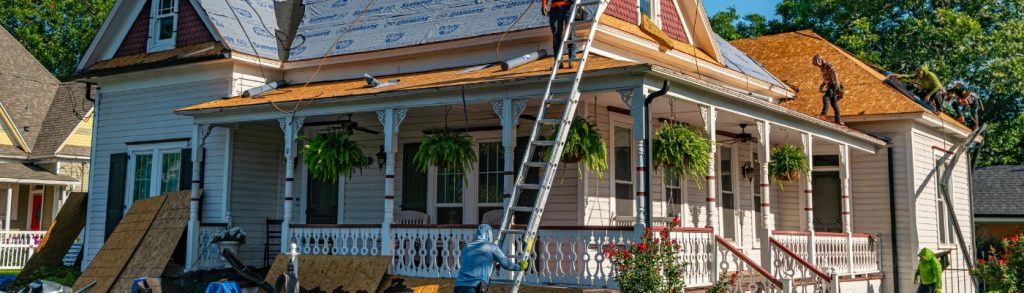
What Is a Temporary Roof and When Do You Need One?
If you are working on a home renovation, roof repair, loft conversion or any building project that involves exposing part of your house to the elements, you may have heard about a “temporary roof”. But what exactly is a temporary roof, why could it be vital for your project, and when does it make sense to install one? In this post, I explain what a temporary roof is, what it does, and the situations where it can make a real difference — all based on the experience and values of a trusted scaffolding provider like JAX Scaffolding.
We will explore how a temporary roof can protect your project, speed up work, ensure safety, and give you peace of mind. Whether you are planning a re-roof, a structural repair, an extension or a full renovation — understanding temporary roofs can help you avoid delays, damage and unexpected costs.
Understanding Temporary Roofs: What Are They?
A temporary roof is a protective covering built over a structure undergoing work — typically scaffolding plus a waterproof roof covering — designed to shield the building, materials, and workers from weather and external elements while work proceeds. Such a roof is not permanent: it is erected for the duration of a project, and removed once work is complete or the permanent roof is restored.
More specifically, this type of roofing system involves a scaffold framework topped with durable sheeting or lightweight roofing (for instance corrugated sheets, heavy-duty sheeting or weather-resistant wrapping), sometimes with side coverings or canopies to enclose the building or working area. This creates a watertight, stable shelter that acts like a temporary “house roof”, ensuring the inside of the building and ongoing work remain dry and safe even in rain, wind or other challenging weather conditions.
Temporary roofs are modular and adaptable by design. They can be arranged around different house shapes and sizes whether a small bungalow or a larger residential building. The configuration depends on the scope of the project, the size of the property and what work is being done. With a modular setup, installation and dismantling can be carried out efficiently without unnecessary disruption.
For a company like JAX Scaffolding — a family-run, customer-focused scaffolding firm in London — offering temporary roofs is part of a wider service approach that emphasises safety, reliability, and tailored solutions for each home. The idea is that no two houses are the same and every project has its own quirks and needs. So whether you are replacing your roof, doing gutter work, planning a loft conversion or repainting your exterior, a temporary roof may be the right protective measure for you.
Why Temporary Roofs Matter: Benefits for Your Project
One of the main reasons a temporary roof is considered essential in many building and renovation projects relates to weather protection. British weather is famously unpredictable. Rain, wind, even sudden cold snaps or damp can throw off a carefully planned project. If your building is exposed — for instance during roof replacement or extensive renovation — you risk water damage to internal spaces or materials, disruption of works, and potential safety hazards.
By providing a waterproof barrier, a temporary roof keeps your property dry and secure. That means work can continue regardless of the weather. Roofers, painters, plumbers or electricians can carry on without worrying about rain halting everything. This kind of continuous workflow can save significant time and prevent costly delays.
Another important benefit is safety. Working on an open roof or exposed structure during poor weather increases the risk of slips, falls or accidents. Wet surfaces, unstable materials or unexpected wind can make scaffolding hazardous. A temporary roof creates a sheltered, controlled environment. Tools, materials and workers remain protected from external elements. This reduces the chance of accidents and ensures compliance with health and safety expectations — a standard that a disciplined scaffolding provider like JAX Scaffolding always upholds.
Moreover, temporary roofs help protect building materials, furniture, and interior finishes from being damaged during work. Rainwater can ruin plaster, wood, flooring or items left inside, especially if work spans several days or weeks. By using a secure, waterproof covering you safeguard materials from exposure, reduce waste and preserve the quality of your build.
From a financial point of view, while installing a temporary roof may appear to be an added expense, it often saves money in the long run. The cost of delays, material damage, rework, or extending labour hours due to weather interruptions can quickly mount. A temporary roof is an investment that reduces those risks and protects your budget and project timeline.
Finally, temporary roofs bring flexibility. They can be customised to the scale and type of project — whether a small domestic renovation or a larger structural overhaul. Their modular nature means they can be built on most homes, adapted around bay windows, conservatories, narrow driveways or irregular building shapes. Once work is complete, the temporary roof is dismantled — leaving no trace behind, just a dry, intact house.
When You Should Consider a Temporary Roof: Key Scenarios
A temporary roof is not necessary for every home project. But there are definite situations when it becomes almost essential. Below I outline the most common scenarios where installing a temporary roof makes sense to avoid risk, delays or damage.
If you are replacing or repairing an existing roof — whether replacing tiles, slates or structural elements — this is one of the most common times a temporary roof is needed. During such work the existing covering is typically removed, leaving the building exposed to rain or wind. Without a proper temporary cover, any rainfall can damage the interior or ongoing work. A temporary roof ensures the job can progress safely and without fear of water entering your property.
Similarly, if you are planning a loft conversion, structural extension, or major renovation that involves opening up parts of the roof or exterior walls, a temporary roof can provide vital protection. As walls or ceilings are removed and structures modified, the risk of exposure rises. A waterproof scaffold roof gives a controlled environment for all trades — builders, electricians, plumbers, decorators — to work safely inside without worrying about the weather.
For long-duration projects such as multi-week or multi-month renovations, where internal and external work are combined, having a temporary roof can make scheduling easier and more predictable. Rather than halting work whenever it rains, everything continues under cover. This continuity helps you keep to timelines and avoids the domino effect of weather delays.
Another scenario that benefits from temporary roofs is when you need to preserve internal finishes, installed materials, or newly decorated areas while external work continues. For example, you might repaint interiors, install flooring or place new fixtures while roof or external works are underway. A temporary roof prevents water ingress and protects everything inside from dust, debris or damp.
Even relatively simpler jobs — such as gutter replacement, chimney work, exterior wall painting or minor structural repairs — can gain from a temporary roof, especially if weather conditions are unpredictable or you want to avoid delays. While some trades might finish in a day or two, unexpected weather can stretch the timeline. A temporary roof adds a layer of certainty and peace of mind.
In short, whenever a project involves exposure to elements — whether due to stripped roofing, open walls or extended work over multiple days — a temporary roof becomes a sensible precaution, if not a necessity.
Temporary Roofs and Project Efficiency: How They Help You Stay On Track
Time is often critical in house renovation or build work. Delays can cascade. If one job is held up by bad weather, it can affect painting, plastering, flooring or subsequent trades. That is why keeping momentum matters. A temporary roof acts as a buffer against external delays that are beyond your control. By shielding the site from weather, work can carry on without interruptions, meaning you stay on schedule, which results in fewer labour costs, fewer re-schedules, and greater overall efficiency.
Moreover, having a weatherproof shell over your project means tradespeople can plan ahead more reliably. Electricians, painters, and interior decorators can book a slot without worrying whether a sudden rainstorm will stop the job. This reliability helps avoid wasted visits, lost time, and unpredictable downtime.
Another plus is that the presence of a temporary roof can reduce stress for you as the homeowner or project manager. Instead of monitoring weather forecasts, worrying about tarps blowing away or cleaning up after rain, you and your contractor can treat the site as though it were indoors. That sense of safety and control can make a big difference — especially in larger projects or when multiple trades overlap.
Finally, because temporary roofs are modular and removable, they add value without permanence. Once work is complete, the scaffold and roof are dismantled, leaving your property clean and restored. That aligns with a customer-focused and respectful approach to renovations — the kind of approach a company like JAX Scaffolding takes. They understand that your home matters, not just as a work site but as your living space.
Choosing the Right Temporary Roof Approach: What to Look at
If you decide a temporary roof makes sense for your project, the next step is to consider what kind of system and setup you need. One size rarely fits all. The right temporary roof depends on the shape and size of your property, the nature of the work, and the length of the project.
A good provider will assess your property in person before recommending a solution. They will measure up the building, inspect access routes, note surrounding structures (like conservatories or bay windows), and factor in ground conditions, local weather patterns and safety regulations. A custom design ensures the scaffolding and roof frame fits perfectly around your home rather than forcing a generic solution that may not provide full coverage or could even be unstable.
Materials used for the roof covering matter too. Many temporary roofs use robust waterproof sheeting, corrugated metal sheets or weather-resistant wrap. This needs to be securely fixed to withstand wind, rain and potential debris. Side coverings or full enclosures can further enhance protection — particularly if internal finishing is underway or if work will last for a long period. In some cases, extra measures like protective skirts or side canopies are added to prevent debris from falling or to block wind driven rain.
Safety standards and professional certification are crucial. Scaffolding and temporary roof structures must comply with current safety regulations. Working with a reputable, insured, and experienced scaffold company helps ensure correct installation, regular inspections and overall peace of mind.
Finally, you should factor in flexibility. Good temporary roof setups allow adjustments if project scope changes — for example, if the work extends to additional rooms, if you need to rearrange access, or if the project gets extended due to delays or extra tasks. A modular, easy-to-adapt design allows this flexibility without compromising on safety or protection.
When a Temporary Roof Might Not Be Required
While temporary roofs offer many advantages, they are not always necessary. For small, quick tasks where exposure is minimal and weather predictions are favourable, a scaffold without a roof or standard safety measures may suffice. If you are doing minor exterior painting on a short-timescale with good weather forecast, the extra cost and setup time for a temporary roof might not be justified.
If the work is limited, predictable and can be completed quickly — such as replacing a single gutter, fixing a small chimney flashing, or minor brickwork — then a simpler scaffold or ladder access could offer sufficient safety without needing full weather protection.
Also, for internal work that does not expose the property to the outside environment — for example internal redecoration, plumbing, or electrical upgrades in rooms where the roof remains intact — a temporary roof would likely be unnecessary.
It is important to assess the project carefully. Temporary roofs are most valuable when exposure, duration, weather risk, or complexity make work vulnerable. In other cases, they may simply add unnecessary overhead.
Making Informed Decisions: Is a Temporary Roof Right for You?
Deciding whether to use a temporary roof depends on your project’s scale, complexity and exposure. If you are about to start major roof work, a loft conversion, an extension, or any renovation that involves stripping back parts of your building’s exterior, you should seriously consider it. The unpredictability of rain or wind, potential damage to materials or interior finishes, and the risk of delays all make temporary roofs a wise protective measure.
But even smaller projects can benefit — especially if they overlap with poor weather seasons, involve exterior work at height, or last more than a few days. The extra cost can be offset by savings in time, rework prevention and peace of mind.
If you choose to go ahead, look for a scaffolding provider that offers a personal, tailored service. One that knows your neighbourhood and respects the uniqueness of your home. A provider that emphasises safety, quality workmanship, transparency, and communication — and who values leaving your property clean and secure when the job is over.
The right temporary roof solution will not just carry you through the work — it will make the whole process smoother, safer, and more predictable.
Final Thoughts
A temporary roof is a simple yet powerful solution when you are carrying out roof repairs, structural changes or prolonged renovation projects. It acts as a protective shield that keeps work on track despite unpredictable weather, safeguards materials and interiors, and supports a safe, stable working environment for tradespeople.
Whether you are replacing a roof, converting a loft, extending your home or performing any major renovation that exposes your property to the elements — a temporary roof can prevent delays, damage and unnecessary stress.
At the end of the day, the decision depends on your unique project, property and circumstances. But when in doubt, investing in a temporary roof often pays off in certainty, safety and long-term value — making your project easier to manage from start to finish.