
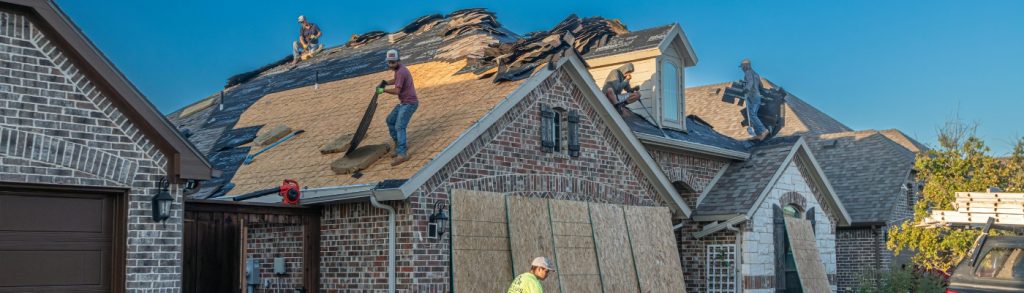
What Happens If You Skip Scaffolding During a Roof Repair?
A roof repair may appear simple at first glance, particularly when the visible damage seems limited to a few broken tiles, worn flashing or a small leak. However, roofing issues are often more complex than they initially appear, and carrying out repairs safely requires careful planning from the outset. One of the most important considerations is how workers will access the roof while maintaining safety and efficiency throughout the project.
Many property owners question whether scaffolding is necessary for smaller roofing jobs, especially when trying to manage repair costs. While avoiding scaffolding may seem like a practical way to reduce expenses, doing so can create challenges that affect safety, workmanship, project timelines and even long-term roof performance. Understanding the role of scaffolding during roof repairs can help property owners make informed decisions and avoid problems that may lead to greater costs in the future.
This question is common across domestic and commercial properties. Many people assume that a ladder provides enough access for roofers to complete the work. Others believe that experienced roofing professionals can manage safely without a scaffold structure. While every roofing project is different, skipping scaffolding can create a range of issues that affect safety, work quality, project timelines, legal responsibilities and even the overall cost of the repair.
Roofing work takes place at height, often on sloping surfaces exposed to changing weather conditions. Even a repair that appears minor from ground level can involve risks that are not immediately obvious. Proper access allows workers to inspect the roof thoroughly, handle materials safely and complete repairs with greater accuracy. Without suitable access arrangements, the chances of mistakes, delays and accidents can increase significantly.
Professional scaffolding services provide secure access for work at height, helping construction and maintenance projects progress more safely and efficiently. By creating stable working platforms, they support better workmanship, improve site safety and allow tradespeople to reach difficult areas with greater confidence. Proper scaffolding can also help reduce delays, minimise risks and contribute to a more organised working environment.
Understanding what happens when scaffolding is not used during a roof repair can help property owners make better decisions before work begins. It can also highlight why access planning is considered an essential part of many roofing projects across the UK.
Why Roof Repairs Become More Dangerous Without Scaffolding
The most immediate consequence of skipping scaffolding is the increased level of risk faced by anyone working on the roof. Construction professionals regularly identify work at height as one of the most dangerous activities within the building industry. Roofers often operate several metres above ground level while carrying tools, handling materials and moving across surfaces that may already be damaged.
A ladder is designed to provide access from one level to another. It is not designed to act as a large working platform. While a ladder may be suitable for certain inspection tasks or very minor maintenance jobs, it provides limited stability when extensive repair work is required. Workers can only reach a small area at a time and may need to stretch, lean or reposition themselves repeatedly.
Every movement made at height carries a level of risk. A sudden loss of balance, a loose roof tile, an unexpected gust of wind or a slippery surface can quickly turn a routine task into a serious accident. Without scaffolding, roofers often have fewer options for maintaining secure footing while completing detailed repair work.
Weather conditions create additional challenges. The UK climate is known for rapid changes in weather. A dry morning can quickly become a wet and windy afternoon. Roofing surfaces become slippery when exposed to rain, frost or morning dew. Even experienced tradespeople face greater hazards when working on steep or uneven roofs without a stable platform beneath them.
Scaffolding creates a controlled environment that supports safer working practices. Instead of relying solely on ladders, workers can stand on secure platforms designed to support movement, equipment and materials. This additional stability reduces many of the risks associated with roof repairs and helps create safer conditions throughout the project.
The danger is not limited to roofing workers themselves. Anyone passing near the property can also be affected. Tools, broken roof tiles and construction materials can fall from height if they are not handled carefully. A falling object may cause injury to people below or damage nearby property. Scaffolding systems often include protective measures that help contain debris and reduce the risk of objects falling to ground level.
When access equipment is not properly planned, the entire working environment becomes less predictable. What begins as a small repair can quickly become a situation where safety concerns outweigh any perceived savings gained by avoiding scaffolding.
How Limited Access Can Affect the Quality of Roof Repairs
A successful roof repair depends on more than simply replacing damaged materials. Before repairs begin, the affected area must be inspected carefully to identify the true source of the problem. In many cases, the visible damage represents only a small part of a larger issue hidden beneath the roof covering.
When scaffolding is not available, inspection work can become more difficult. A roofer working from a ladder may only be able to examine a limited section of the roof at any given time. This restricted access can make it harder to identify underlying issues such as damaged felt, weakened timber structures, moisture penetration or hidden cracks in surrounding materials.
A thorough inspection often requires workers to move around the roof safely while examining different areas from various angles. Scaffolding supports this process by providing access to larger sections of the roof without constant repositioning. Better access generally leads to a more complete assessment of the roof’s condition.
The quality of the actual repair work can also be affected. Roofing tasks require precision. Tiles must be aligned correctly, flashing must fit securely and repair materials must be installed according to recognised standards. Workers need sufficient space to handle materials properly and focus on the details of the job.
Without a stable working platform, roofers may be forced to work from awkward positions. Stretching to reach difficult areas or balancing while handling tools can reduce accuracy. Even small installation errors can create future problems. Water may find its way through gaps, materials may loosen over time and the lifespan of the repair may be reduced.
Homeowners often expect a roof repair to provide a long-term solution. When access limitations affect workmanship, there is a greater chance that additional repairs will be required later. This can result in extra costs, further disruption and ongoing concerns about the condition of the roof.
Scaffolding helps create conditions where roofers can concentrate on achieving a high standard of work. Instead of focusing primarily on maintaining balance and reaching difficult areas, they can devote their attention to completing the repair correctly.
Another important factor is the handling of roofing materials. Roof tiles, slates, lead flashing and other materials require careful transport and installation. Workers operating from ladders may face greater challenges when lifting and positioning these items. Scaffolding provides space to store materials closer to the work area, making handling easier and reducing the likelihood of accidental damage.
Good access supports good workmanship. While scaffolding does not guarantee a successful repair, it creates conditions that help skilled roofing professionals perform their work more effectively.
The Hidden Delays That Often Occur Without Proper Access
Some property owners believe that avoiding scaffolding will speed up a roofing project. They may assume that workers can arrive, climb a ladder and complete the repair immediately. In reality, the absence of scaffolding often creates delays that extend the overall duration of the work.
Roof repairs involve many different tasks beyond the repair itself. Workers must transport equipment, move materials, inspect affected areas and carry out the repair safely. When access is limited, each of these activities can take longer than expected.
One common issue involves repositioning ladders. Since ladders provide access to only a small section of the roof at a time, workers frequently need to move them to reach different areas. Each adjustment requires time and careful attention to safety. What may seem like a minor inconvenience can become a significant source of delay over the course of a project.
Repeated climbing and descending also affects productivity. Workers may need to return to ground level to collect tools, retrieve materials or access equipment stored elsewhere. These interruptions break the workflow and reduce the amount of time spent actively completing repairs.
The challenge becomes even greater on larger or more complex roofs. Properties with multiple roof levels, dormer windows, valleys, extensions or chimneys often require access to several different sections of the structure. Reaching all of these areas efficiently without scaffolding can be difficult.
Weather can further increase delays. If conditions become unsafe for ladder-based work, roofing activity may need to stop until conditions improve. A scaffold platform often provides greater stability and flexibility, allowing work to continue safely under a wider range of conditions.
Delays do not only affect contractors. Property owners may experience prolonged disruption, extended project schedules and uncertainty regarding completion dates. In some situations, delays can allow existing roof damage to worsen before repairs are fully completed.
A leaking roof, for example, may continue to allow water into the property while work remains unfinished. Moisture can spread into insulation, timber structures and internal finishes, increasing the scope of the damage and potentially raising future repair costs.
Many roofing professionals view scaffolding as an investment in efficiency as well as safety. By providing consistent access to the work area, it helps projects progress more smoothly and reduces many of the interruptions associated with ladder-only working methods.
Why Small Roof Repairs Are Not Always Simple
One of the most common misconceptions about roofing work is that small repairs automatically involve low risk. A single slipped tile or minor leak may appear insignificant from ground level, but roofing professionals understand that the size of the visible problem does not always reflect the complexity of the repair.
A missing tile may have exposed surrounding materials to weeks or months of weather conditions. Water could have travelled beneath the roof covering and affected areas that cannot be seen from outside the property. A damaged flashing detail around a chimney may indicate movement within the structure itself.
Proper investigation is often necessary to determine the full extent of the issue. Access restrictions can make this process more difficult and increase the possibility of hidden problems remaining undetected.
Even small repairs frequently require workers to spend extended periods at height. The level of risk remains present regardless of whether the repair involves one tile or an entire roof slope.
For this reason, decisions about scaffolding should be based on access requirements, roof design and safety considerations rather than the apparent size of the repair alone.
Legal Responsibilities Can Become a Serious Concern
Many property owners focus on the practical side of a roof repair, but legal responsibilities also play an important role. Roofing work carried out at height is subject to health and safety requirements designed to protect workers, occupants and members of the public. These requirements are not simply recommendations. They exist because falls from height continue to cause a significant number of injuries across the construction industry.
Before roofing work begins, contractors are expected to assess potential hazards and select suitable methods of access. The chosen approach should allow workers to complete the job safely while reducing avoidable risks. In many situations, scaffolding forms an important part of that safety plan.
When scaffolding is omitted from a project where it would normally be considered appropriate, questions may arise if an accident occurs. Investigations following workplace incidents often examine whether reasonable safety measures were in place before work started. Access arrangements, risk assessments and site conditions can all become part of that review.
For property owners, this highlights the importance of working with contractors who take safety seriously. Selecting a contractor based solely on the lowest quotation may not always produce the best outcome. A cheaper price may sometimes reflect reduced safety measures, lower quality planning or shortcuts that create greater risks during the project.
Roof repairs should be approached with the same level of care as any other building work carried out at height. Safe access is not simply a technical issue. It forms part of a wider responsibility to protect everyone involved in the project.
Another factor often overlooked is public safety. Many roofing projects take place in residential streets, commercial areas or locations where people regularly pass close to the property. If materials or tools fall from the roof, nearby pedestrians could be placed at risk. Scaffolding systems frequently include protective features that help minimise these dangers and create a safer environment around the site.
When proper access arrangements are in place, contractors can demonstrate that safety considerations have been addressed from the beginning. This benefits workers, clients and the wider public alike.
Insurance Complications May Arise After an Incident
Insurance is another area where skipping scaffolding can create unexpected difficulties. Most property owners understandably expect insurance policies to provide protection if something goes wrong during building work. However, claims can become more complicated when questions arise about whether suitable precautions were taken.
Insurance providers often expect construction work to be carried out according to recognised safety practices. If an accident occurs and investigations reveal that access arrangements were inadequate, disputes may arise regarding responsibility and liability.
For example, a worker injured during a roof repair may require medical treatment, rehabilitation and compensation. Property damage caused by falling materials could also result in financial claims. In situations where appropriate safety measures were not provided, determining liability can become more complex.
Even where insurance cover remains valid, investigations and claim processes may take longer when questions exist about site safety. This can create additional stress for everyone involved.
Commercial property owners may face further considerations. Businesses often have obligations relating to health and safety, risk management and contractor selection. Ensuring that roofing work is carried out using appropriate access methods can help support compliance with these responsibilities.
While every insurance policy differs, one principle remains consistent. Preventing accidents is generally far less costly and disruptive than dealing with the consequences after something has gone wrong.
Property Damage Becomes More Likely When Access Is Restricted
Roof repairs focus on protecting a building, yet poor access arrangements can sometimes increase the risk of damage to the very property being repaired.
Ladders must be positioned carefully to avoid placing excessive pressure on gutters, fascia boards and roof edges. Frequent repositioning can increase wear and raise the possibility of accidental damage. Even minor impacts may lead to cracks, dents or movement in external components.
Workers carrying tools and materials also face greater challenges when operating without a stable working platform. Roofing materials can be heavy, awkward to handle and difficult to manoeuvre in confined spaces. A loss of grip or balance can result in items being dropped onto lower parts of the property.
Vehicles parked near the building may also be vulnerable. Conservatories, garden structures, patios and pathways can all suffer damage if debris falls from above. Repairing this additional damage can increase project costs and create further inconvenience for property owners.
Scaffolding helps create a more controlled working environment. Materials can be stored securely closer to the work area, reducing unnecessary movement and lowering the chance of accidents. Workers also gain more space to handle equipment safely and complete repairs with greater confidence.
Another benefit involves waste management. Roof repairs often generate broken tiles, damaged materials and other debris that must be removed from the site. Without scaffolding, controlling this waste becomes more challenging. Debris may scatter across surrounding areas, creating hazards and increasing clean-up requirements.
Protecting a property involves more than repairing the roof itself. Safe access contributes to the protection of the entire building throughout the repair process.
The Financial Saving Often Turns Into a Larger Expense
The desire to reduce costs is one of the main reasons some people consider skipping scaffolding. At first glance, removing scaffolding from a quotation can appear to make a project more affordable. However, focusing only on the initial figure can be misleading.
A roof repair should be evaluated based on total project value rather than upfront cost alone. If the absence of scaffolding leads to delays, reduced workmanship, accidents or property damage, overall expenses can rise quickly.
Consider the possibility of a repair that fails prematurely because workers were unable to access the area properly. The cost of returning to the site, removing materials and carrying out additional repairs may exceed the original cost of providing suitable access from the start.
Accidents create even greater financial risks. Medical expenses, legal claims, increased insurance costs and project delays can all have significant consequences. While nobody begins a roofing project expecting an accident, risk management exists precisely because unexpected events can occur.
Property damage also carries a financial impact. Replacing damaged gutters, repairing broken windows or fixing landscaping affected by falling debris adds costs that many homeowners do not anticipate when comparing quotations.
There is also the value of time to consider. Delays may require property owners to rearrange schedules, manage ongoing disruptions and potentially deal with worsening roof problems while repairs remain incomplete.
In many cases, what initially appears to be a saving ultimately becomes a larger expense. Proper planning often represents the most economical approach when viewed over the full lifespan of the repair.
Long-Term Roof Performance Depends on Proper Working Conditions
A roof serves as one of the most important protective elements of any building. It shields the property from rain, wind, snow, temperature changes and countless other environmental factors throughout the year. When repairs are needed, the objective is not simply to fix the immediate problem. The goal is to restore the roof’s ability to perform effectively over the long term.
Achieving this outcome requires careful workmanship. Roofers need sufficient time, access and stability to complete repairs to a high standard. Rushed work or restricted access can affect the quality of the finished result.
Even small imperfections can have consequences. A poorly fitted tile, an incorrectly sealed flashing detail or a missed area of damage may allow water to enter the roof structure. The effects may not become visible immediately. In some cases, months can pass before signs of moisture penetration begin to appear inside the property.
By that stage, the underlying damage may have spread beyond the original repair area. Insulation, timber supports and interior finishes can all be affected. Repair costs may increase substantially compared with the original problem.
Scaffolding supports better working conditions, which in turn can support better long-term outcomes. Roofers can inspect surrounding areas thoroughly, identify related issues and complete repairs with greater precision. This attention to detail helps improve the durability and effectiveness of the repair.
Property owners naturally want repairs that last. Investing in suitable access arrangements can contribute significantly to achieving that objective.
Why Professional Planning Matters Before Any Roof Repair
Every roof is different. Factors such as height, pitch, age, design and surrounding conditions all influence how repairs should be approached. A solution that works for one property may not be suitable for another.
Professional planning allows contractors to evaluate these factors before work begins. This includes assessing access requirements, identifying potential hazards and determining the safest and most practical method for completing the repair.
Scaffolding is not automatically required for every roofing task. Some minor maintenance activities may be completed safely using alternative access methods. However, deciding whether scaffolding is appropriate should be based on a thorough assessment rather than assumptions about cost or convenience.
Experienced contractors understand that access arrangements influence every stage of a roofing project. They affect safety, efficiency, inspection quality, material handling and overall project performance. Taking the time to plan properly often helps avoid complications later.
Property owners can support this process by asking questions about access requirements and understanding the reasons behind recommendations. A clear explanation of safety measures and project planning often provides valuable insight into how the work will be carried out.
Roof repairs are rarely situations where shortcuts produce the best results. Careful preparation usually contributes to safer working conditions and more successful outcomes.
Conclusion
Skipping scaffolding during a roof repair may seem like a simple way to reduce costs, but the consequences can extend far beyond the initial saving. Safety risks increase, access becomes more difficult, repair quality may suffer and projects often take longer to complete. Legal responsibilities, insurance complications and property damage can create additional challenges that many property owners do not anticipate at the start of a project.
Roof repairs require more than technical skill alone. They depend on safe working conditions that allow professionals to inspect, access and repair roofing systems correctly. Proper access helps workers focus on delivering quality workmanship while reducing risks for everyone involved.
The size of a roofing problem does not always reflect the complexity of the repair. Even seemingly minor issues may require careful investigation and secure access arrangements. Evaluating each project individually helps ensure that decisions are based on safety, practicality and long-term performance rather than short-term cost considerations.
A well-planned roof repair protects both the building and the people working on it. When suitable access methods are chosen from the outset, the project is more likely to progress efficiently, safely and successfully. For property owners looking to protect their investment, understanding the role of scaffolding is an important step towards making informed decisions and achieving lasting repair results.
At JAX Scaffolding, we provide professional scaffolding solutions for roof repairs, helping create safe and practical access for work at height. We support projects of different sizes with carefully planned roof repair scaffolding that helps roofing work progress efficiently while maintaining high safety standards.