
Hidden Risks of Chimney Damage and the Need for Safe Access
Chimneys remain a key feature of many homes across the UK, yet they are often overlooked until visible damage appears. Homeowners may first notice damp patches, loose bricks or signs of wear around the roofline, but these are usually symptoms of deeper issues within the chimney structure. Chimney repair in the UK is not just about fixing what can be seen. It is about protecting the property from long term structural damage, moisture problems and potential safety risks. Alongside this, one critical factor that supports effective chimney work is scaffolding. Without proper access, even simple repairs can become unsafe or incomplete.
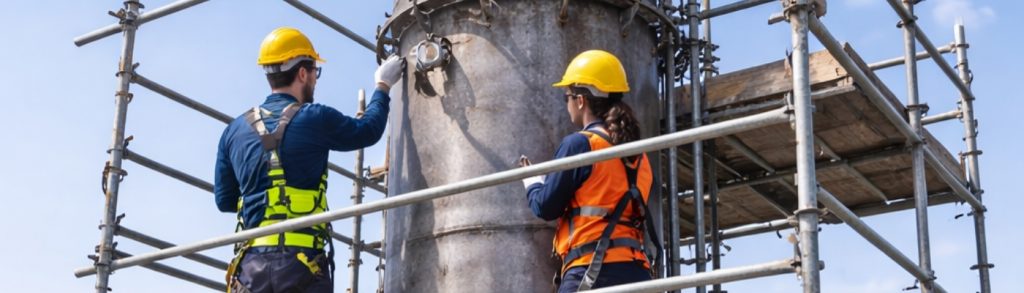
Scaffolding is essential during chimney brick cleaning and repointing as it provides safe, stable access that enables precise work, thorough inspection, and high-quality, long-lasting repairs without compromising safety.
Chimneys are exposed to some of the harshest conditions on any property, yet they often receive the least attention until problems become visible. Understanding how chimney repair works and why safe access is essential helps homeowners protect both their property and safety. A well maintained chimney not only prevents damage but also ensures that any repair work is carried out properly and lasts over time.
The UK climate plays a major role in chimney deterioration. Constant exposure to rain, wind and temperature changes causes materials to weaken over time. Mortar begins to crumble, brickwork can shift, and protective surfaces lose their strength. This makes routine checks and prompt repairs necessary to keep both safety and performance at the right level. When chimney repair is carried out correctly, it not only resolves existing problems but also prevents more serious damage from developing in the future.
Understanding Common Chimney Repair Work
Structural Repairs and Stability
Chimney repair includes several essential structural tasks that keep the chimney safe and strong over time. One of the most common is repointing brickwork, where damaged mortar between bricks is removed and replaced to prevent water from entering the structure. As mortar weakens due to constant exposure to rain and changing temperatures, repointing helps restore durability and maintain the integrity of the chimney.
Flashing repair is another key aspect of chimney maintenance. Flashing seals the joint between the chimney and the roof, and when it becomes damaged or loose, water can enter the roof space and cause damp issues. Repairing or replacing flashing ensures a proper seal and protects both the chimney and the surrounding roof area. In more severe cases, chimney stack rebuilds may be required when parts of the structure become unstable or start to lean. This process restores safety and prevents further structural damage.
Surface Protection and Weather Resistance
Crown repairs focus on the top surface of the chimney, which acts as a protective layer against rain. When cracks appear in the crown, water can seep into the chimney and cause internal damage. Repairing this area is essential to prevent long term deterioration. Flaunching repair addresses the cement around chimney pots, helping to secure them and guide water away from the opening. When flaunching breaks down, it can lead to loose pots and increased risk of water penetration.
Painting or sealing chimney surfaces is sometimes carried out to add an extra layer of protection against harsh weather conditions. This can help extend the life of the chimney, particularly in areas that experience heavy rainfall or strong winds. Applying protective coatings also helps reduce moisture absorption and surface wear.
Functional Repairs and Safety Improvements
Chimney liner installation or replacement is important for properties that use fireplaces or stoves. A well functioning liner supports proper ventilation and safe operation, while a damaged liner can create safety concerns. Replacing or installing a liner ensures that the chimney performs as expected.
Removing or repairing damaged chimney pots is another important task. Cracked or unstable pots can become a hazard, especially in high winds. Repairing or replacing them helps maintain safety and prevents debris from falling.
Cleaning, Restoration and Maintenance
In addition to structural work, chimney repair also includes cleaning and restoration tasks that improve both performance and appearance. Chimney brick cleaning removes built up soot, dirt and staining, helping to restore the original look of the brickwork. This process can also reveal hidden issues that may require further repair.
Graffiti removal services are sometimes necessary, particularly in urban areas where chimneys are more exposed. Removing unwanted markings helps maintain the appearance of the property and can prevent long term surface damage. In some cases, protective coatings are applied after cleaning to reduce the chances of graffiti returning.
Vegetation removal is another important part of chimney maintenance. Moss, algae and small plants can grow in cracks and mortar joints, trapping moisture and accelerating damage. Clearing this growth helps keep the chimney dry and reduces the risk of further deterioration.
All of these repair and maintenance tasks work together to ensure that a chimney remains safe, functional and visually presentable. By addressing both structural and surface level issues, chimney repair supports the long term condition of the property.
Repointing and Its Role in Chimney Repair
Repointing is one of the most important aspects of chimney repair, and professional repointing services play a key role in maintaining the strength and durability of the structure. Over time, the mortar between bricks begins to wear away due to constant exposure to rain, wind and temperature changes. When this happens, gaps form between the bricks, allowing water to enter and weaken the chimney from within. Repointing involves carefully removing the damaged mortar and replacing it with new material to restore the stability of the brickwork.
This process not only strengthens the chimney but also helps prevent further damage caused by moisture. Fresh mortar creates a tight seal that protects the structure from water penetration and improves its resistance to weather conditions. Repointing also improves the overall appearance of the chimney, giving it a cleaner and more maintained look.
Carrying out repointing at the right time helps avoid more serious repairs such as partial rebuilds. It is a practical step that supports long term performance while keeping the chimney safe and structurally sound.
Why Chimney Repair Is Important
Chimneys are constantly exposed to harsh weather conditions, which means even small issues can quickly turn into serious problems if left untreated. Regular chimney repair helps maintain the safety, performance and overall condition of a property. Addressing damage early not only prevents costly repairs but also ensures the chimney continues to function as intended.
Prevents Water Leaks and Damp Issues Inside the Home
One of the main reasons chimney repair is important is to stop water from entering the property. Cracks in brickwork, damaged mortar or faulty flashing can allow rainwater to seep into the structure. Over time, this leads to damp patches, mould growth and internal damage to walls and ceilings. Repairing these issues helps keep the home dry and protected.
Protects the Structural Integrity of the Roof and Chimney
A damaged chimney can weaken both the chimney itself and the surrounding roof structure. Loose bricks, worn mortar and cracks can cause instability if not addressed. Timely repairs help maintain the strength of the entire structure and prevent more serious damage that may require extensive work in the future.
Reduces Risk of Loose Bricks Falling
Safety is a major concern when it comes to chimney damage. Loose or broken bricks can fall from height, posing a risk to people and property below. Repairing the chimney ensures that all components are secure and reduces the chance of accidents.
Improves Heating Efficiency and Ventilation
For homes that use fireplaces or stoves, a well maintained chimney supports proper airflow and ventilation. Damage inside the chimney, such as a faulty liner or blockages, can affect how efficiently heat is distributed. Repair work helps improve performance and ensures safe operation.
Helps Comply with UK Building Safety Standards
Chimney repair also plays a role in meeting UK building safety requirements. Keeping the structure in good condition ensures that it meets necessary regulations and remains safe for use. This is especially important when carrying out other property improvements or inspections.
The Link Between Safe Access and Long Lasting Results
Carrying out chimney repair is not only about fixing visible damage. The way the work is approached has a direct impact on how effective and durable the results will be. Safe and stable access plays a key role in ensuring that repairs are done properly, without compromise.
Better Inspection and Accurate Repairs
Proper access allows tradespeople to inspect every part of the chimney closely. Hidden cracks, weakened mortar and early signs of damage can be identified before they turn into larger issues. This level of detail ensures that repairs are accurate and complete, rather than temporary fixes that may fail over time.
Improved Work Quality and Precision
When scaffolding is in place, workers can carry out repairs with greater control and precision. Tasks such as repointing, flashing repair and crown work require careful handling, which is difficult to achieve on unstable surfaces. A secure platform allows for steady work, leading to stronger and longer lasting results.
Increased Efficiency Without Compromising Safety
Safe access helps improve the speed of the repair process without reducing quality. Workers can move freely, handle materials more easily and complete tasks in a more organised way. This reduces delays while still maintaining a high standard of workmanship.
Opportunity for Additional Maintenance
With full access to the roof area, it becomes easier to carry out other maintenance tasks at the same time. This may include checking roof tiles, clearing gutters or identifying other areas that need attention. Addressing these issues together can help prevent future problems and save time in the long run.
Long Term Protection and Property Value
Combining professional chimney repair with proper scaffolding support helps protect both the safety and value of a property. High quality repairs last longer and reduce the risk of unexpected damage. For homeowners, this means fewer future costs and greater confidence in the condition of their home.
How Weather Conditions Impact Chimney Health
The UK climate has a direct effect on chimney condition. Rainwater seeps into small cracks, frost expands these gaps, and strong winds weaken already damaged areas. Over time, this cycle causes mortar to crumble and bricks to shift. Without timely repair, these small issues develop into larger structural problems that can affect both the chimney and the roof.
Why Early Repairs Prevent Bigger Problems
Addressing chimney damage at an early stage helps avoid more serious and costly repairs later. Small cracks, loose mortar or minor leaks may seem manageable at first, but they can quickly worsen if ignored. Early repair work protects the structure, reduces long term costs and ensures the chimney continues to function safely.
The Role of Safe Access in Repair Quality
Safe access is a key factor in the success of any chimney repair. Without proper access, it becomes difficult to inspect hidden areas or carry out detailed work. Scaffolding provides a stable platform that allows tradespeople to work with better control and accuracy. This leads to stronger repairs that are more resistant to weather conditions.
How Proper Repairs Improve Property Safety
A damaged chimney can pose serious risks if not repaired. Loose bricks or unstable sections may fall, creating danger for people and property below. Carrying out repairs with the right access and approach ensures that all parts of the chimney are secure, reducing safety concerns and improving overall structural stability.
When Should You Consider Chimney Repair
Chimney issues often develop gradually, which makes them easy to overlook until the damage becomes more serious. Knowing when to take action helps prevent small problems from turning into costly repairs. Regular observation and early response play a key role in keeping the chimney safe and in good condition.
Visible Damage on Brickwork and Mortar
One of the first signs that chimney repair may be needed is visible damage to the brickwork or mortar. Cracks, gaps or crumbling joints indicate that the structure is weakening. These openings allow water to enter, which can speed up deterioration and lead to further damage if not addressed.
Damp Patches and Water Stains Indoors
Damp marks on ceilings or walls near the chimney area often suggest that water is entering through the chimney. This may be due to damaged flashing, worn mortar or cracks in the structure. Repairing the chimney at this stage helps prevent moisture from spreading داخل the property and causing internal damage.
Loose or Unstable Chimney Components
Loose bricks, leaning chimney stacks or unstable chimney pots are clear warning signs that repairs are required. These issues not only affect the structure but also create safety risks. Addressing them early ensures that the chimney remains secure and reduces the chance of falling debris.
Growth of Moss or Vegetation
The presence of moss, algae or small plants growing on the chimney often indicates trapped moisture. This growth can weaken mortar joints and accelerate damage over time. Removing vegetation and repairing affected areas helps protect the chimney from further deterioration.
Changes in Fireplace Performance
In homes that use fireplaces or stoves, reduced airflow or poor performance can point to chimney issues. Blockages, damaged liners or internal wear can affect ventilation. Repairing these problems helps restore proper function and ensures safe operation.
Why Choose Us for Scaffolding
Choosing the right scaffolding support is an important part of any work carried out at height, especially for tasks like chimney repair and roof maintenance. A well planned scaffold setup ensures safety, supports accurate work and helps the entire project run smoothly. Understanding what makes a scaffolding service effective can help property owners make better decisions and avoid unnecessary risks.
Focus on Safety and Compliance
Scaffolding must meet strict safety standards to protect both workers and property. A professional approach ensures that every structure is installed with care, using secure platforms and proper safety measures. Following UK regulations helps reduce risks and ensures that all work at height is carried out responsibly.
Proper Planning and Site Assessment
Every property is different, which means scaffolding needs to be planned carefully. A detailed site assessment allows the structure to be designed in a way that provides full access to the required areas. This helps avoid limitations during the work and ensures that repairs can be completed without difficulty.
Strong and Stable Working Platforms
A well built scaffold provides a stable base for tradespeople to carry out their work. This stability is essential for tasks that require precision, such as chimney repairs or roof work. A secure platform allows workers to move freely and handle tools safely, improving both efficiency and quality.
Efficient Setup and Removal
Time plays an important role in any project. Efficient scaffold installation ensures that work can begin without delay, while careful removal at the end helps keep the site clean and organised. A structured approach to setup and dismantling supports the overall workflow of the project.
Support for Better Work Quality
Scaffolding is not just about access, it also affects the quality of the final result. When workers have safe and reliable access, they can focus on doing the job properly rather than working around limitations. This leads to more accurate repairs and longer lasting outcomes.
At JAX Scaffolding, we provide safe and well planned scaffolding solutions designed to support all types of access work, including chimney repair and roof projects. We focus on delivering strong and secure structures that allow work to be carried out with confidence, accuracy and full compliance with UK safety standards. Our team ensures every setup is carefully managed to suit the property and the nature of the work, helping achieve better and long lasting results.