
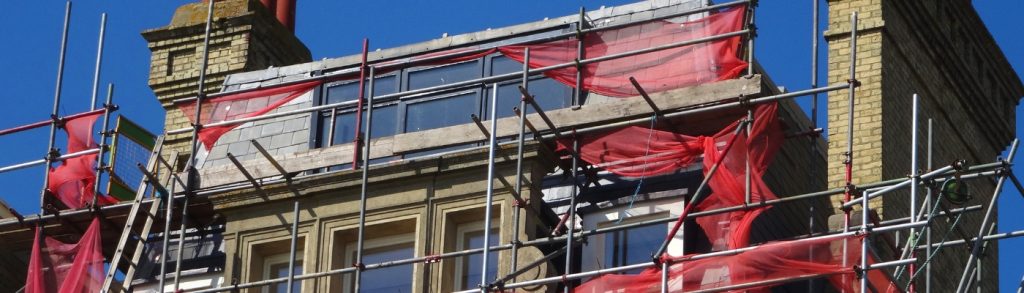
How Scaffolding Helps Builders Access Chimneys Safely
Chimney maintenance — whether it is repair, repointing, inspection or cleaning — is one of the more challenging and risky parts of maintaining a house. Many chimneys sit high above rooflines, often on steep pitched roofs, or near fragile tiles and roof features. Trying to reach them with ladders alone can be dangerous not only for the workers but also for the fabric of the building. That is why scaffolding is such a critical part of chimney work. A well-designed scaffold transforms a hazardous job into one that can be done safely and precisely.
In this article I explore why scaffolding is central to safe chimney access. I draw on proven industry practice and reflect the values and approach of experienced scaffolding providers such as JAX Scaffolding Ltd. The goal is to give homeowners, builders and anyone considering chimney work a thorough understanding of what good scaffold access can achieve.
Why Chimney Work Requires More Than a Ladder
Chimneys are rarely easy to reach. For many houses, chimneys rise from within the roof space and extend several metres above the roof. The height alone makes ladders risky. If the chimney sits above a steep roof slope, or the roof tiles are fragile, balancing a ladder becomes more precarious. Add to that the need to carry tools, materials and possibly bricks or mortar for repointing, and the scale of risk increases dramatically.
Even more, chimneys often require access from multiple sides. Whether the job is replacing damaged bricks, cleaning flues, repointing mortar joints, or installing a chimney cap, workers must be able to move freely around the chimney. Ladders do not offer that freedom. They restrict access to a narrow vertical plane, forcing workers to stretch, lean or reposition constantly. That increases the chance of slips, falls or accidents.
The risk is not only to the workers. Without proper access, there is a greater chance of causing damage to the roof itself — dislodging tiles, damaging flashing, cracking gutters or injuring masonry on nearby roof features. Poorly secured ladders may scratch or crack roof tiles. Materials dropped or tools slipped may damage the surrounding roof or even cause structural damage.
In short, chimney work without safe access is a risk to both people and property. That risk explains why many professional builders, roofers and maintenance teams rely on scaffolding rather than ladders for chimney work.
How Scaffolding Provides Safe, Stable Chimney Access
Scaffolding offers a comprehensive, stable platform that supports the complexity and risk of chimney work. Rather than being constrained to a single vertical plane like a ladder, scaffold structures surround the property or chimney and provide a level working base. This setup gives several important advantages.
With scaffolding in place, builders and maintenance workers can approach the chimney from multiple directions, move around freely, carry tools and materials with ease, and work safely for extended periods. Because the scaffolding platform is level and secure, there is no need to balance on a ladder or move unnecessarily — this reduces fatigue, minimises risk of losing balance, and allows for careful, methodical work.
When chimney work involves heavier tasks such as brick replacement, repointing, rendering or sealing, the scaffold’s load-bearing capacity becomes essential. Workers can stand comfortably and even store bricks, mortar or sealants on platform boards close at hand. Scaffolding also makes it possible to securely attach guardrails, toe boards or protective mesh — preventing slips, falls and accidental drops of tools or materials. These safety features protect both workers and the property below.
For complex chimneys — those with multiple flues, intricate brickwork, decorative stonework or height above a steep roof — scaffolding can be custom-designed. It can be built to wrap around the chimney, provide access to all sides and offer safe working space above roof level. This kind of scaffold is especially important when the chimney is tall or when the surrounding roof is fragile.
Scaffolding also helps meet safety and regulatory requirements. Many chimney repair or maintenance tasks fall under building regulations or health and safety standards related to working at height. Using a scaffold ensures compliance by providing a stable work platform and reducing the risk of falls. It also ensures that work can be done efficiently and thoroughly — enabling detailed inspection, precise repointing or careful rendering without cutting corners.
In effect, scaffolding is not just an optional extra. For safe, compliant and high-quality chimney work, it often becomes the most sensible and responsible option.
When Chimney Scaffolding Becomes Essential
Not all chimney work is the same. There are circumstances where scaffolding is strongly advised, and sometimes even required. If the chimney rises high above the roof, is located on a steep or fragile roof surface, or requires repointing, brickwork or rendering, scaffolding should be considered essential.
For chimneys above a certain height threshold, ladders may simply be unsafe or unstable. Masonry repairs often involve heavy materials, repeated movement or prolonged work — tasks that ladders cannot support without introducing risk. When the chimney sits on a roof with delicate tiles, each footstep becomes a potential hazard. Scaffolding removes that hazard by offering a robust, evenly distributed platform.
Scaffolding also becomes vital when workers need to move around the chimney — for instance, to inspect all sides, carry out repairs, or apply sealing. A proper scaffold ensures that this work can be done thoroughly and with minimal risk to the roof or to the workers.
Furthermore, building regulations and health and safety guidelines for work at height may mandate proper access solutions when chimneys exceed certain heights or when the work involves more than minimal maintenance. In those cases, scaffolding is the safe, compliant option to meet legal and safety standards.
Even for chimney cleaning, inspections or lighter maintenance, if the chimney is tall or difficult to reach, a scaffold gives the kind of stable access that reduces accident risk and improves the quality of work.
What to Expect from a Professional Scaffolding Provider
If chimney access is required, hiring a professional scaffolding provider ensures the job is done safely, efficiently and without damage to your home. A reputable company will start by assessing your property — considering rooflines, chimney height, surrounding structures, ground conditions and any access restrictions. Based on that assessment they design a scaffold tailored to your needs.
A good scaffolding team will build the scaffold securely, using proper base supports, ties to the building, close-boarded platforms, guardrails and other safety features. They will plan for safe material loading, tool storage and movement around the chimney. Once the chimney work is done they will dismantle cleanly and restore the property to its original state — without leaving debris or damaging roof tiles, gutters, wallwork or garden areas.
They also offer transparent, fair pricing. Rather than quoting a generic rate, they consider the complexity of your chimney, roof slope, access difficulties and how long the scaffold is needed. This tailored approach helps ensure value for money while maintaining high safety and quality standards.
Experience matters. A team with many years in residential scaffolding understands typical challenges — awkward rooflines, tight drives, neighbour boundaries, space constraints and weather changes. They know how to plan scaffold layouts that respect the property, cause minimal disruption, and support safe work even in tight or tricky spaces.
Finally, a trustworthy provider maintains open communication. They explain the process, set expectations, and remain available to adjust timing or scaffold design if circumstances change. That approach reduces stress for homeowners and contractors alike.
How Safe Chimney Scaffolding Protects Both Builders and Property
One of the hidden advantages of using scaffolding is how it protects the property itself. Roof tiles, guttering, fascias and chimney flashing are all vulnerable during maintenance work. A ladder can scratch tiles, dislodge mortar, crack flashing or damage gutters. Once scaffolding is in place these risks are greatly reduced. The scaffold platform offers a stable base over roof slopes. Tools and materials no longer slide or drop onto fragile surfaces. Workers no longer need to balance or brace themselves against walls or roof edges.
Scaffolding also reduces the risk of accidental damage when moving materials up and down. Heavy bricks or mortar bags can be lifted safely using hoists or pulley systems attached to the scaffold. There is less pressure to rush or take shortcuts. As a result the work can proceed in a careful, considered way without harming the existing roof or chimney structure.
Moreover, scaffolding minimises disruption for residents. A well-installed scaffold is tidy, well-secured, and built to respect gardens, driveways, neighbours’ access and even street-side permits where required. When the job is done the scaffold is removed cleanly, leaving the property as it was, but with a restored, safe chimney structure.
In that sense, good scaffolding is like a protective shell around the house during maintenance work — safeguarding both the people and the property.
Conclusion
Chimney maintenance and repair is a complex, often risky task. The height of chimneys, the slope of roofs, the fragility of roof materials, and the complexity of masonry work all make safe and stable access essential. While ladders may work for very simple, quick tasks, they are rarely adequate for full repair, repointing or substantial maintenance.
Scaffolding emerges as the responsible, practical and safe solution. It offers a stable, well-designed platform that enables builders and maintenance crews to approach chimneys carefully, work systematically, carry materials safely, and protect both themselves and the property. For homeowners or contractors planning chimney work, investing in a professionally installed scaffold is not an optional luxury. It is a foundation for safe, quality maintenance.
When chimney access is required, a reliable scaffolding company will assess your building, design a scaffold suited to your roof and chimney layout, install it to comply with safety standards, support the work in progress, and remove it cleanly when the job is done. The result is safe access, high-quality work, and preservation of your home.
Whether you are planning repointing, cleaning, relining or full chimney repair, scaffolding is more than just support. It is a commitment to safety, quality and peace of mind.