
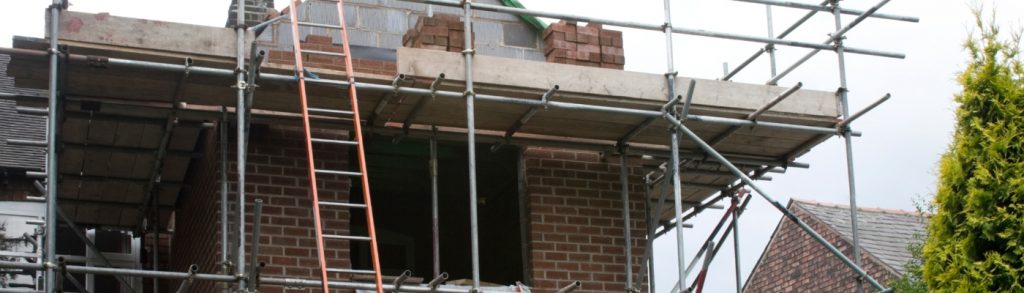
Planning a Home Extension? Here’s When You’ll Need Scaffolding
Planning a home extension can be one of the most rewarding steps a homeowner takes. Whether the goal is to create additional living space, introduce more natural light, add a new storey, build a kitchen extension or simply reshape an existing layout, it is a project filled with possibility. Yet it is also a project that requires careful preparation and realistic understanding of what the work will involve. Among the many decisions that homeowners make during this process, one topic often gets pushed aside until the last minute. That topic is scaffolding.
Many people planning an extension assume that scaffolding is something a builder will sort out later or only needed on large construction projects. Others believe that ladders or small temporary platforms are enough for most domestic building work. In reality, scaffolding is a vital part of many home extensions and understanding when it is required can make the difference between a smooth, efficient build and one full of setbacks.
Scaffolding provides secure access, supports safe working at height, helps protect the structure of the home while it is being modified and allows trades to move freely and confidently. A well planned scaffold system can speed up progress, reduce risk and ensure the extension is completed to a high standard. By contrast, leaving scaffolding as an afterthought can create delays, raise safety concerns and sometimes even compromise the quality of the build.
In this detailed guide, written in a professional and educational tone that reflects the values of a reliable residential scaffolding provider, we explore when scaffolding becomes necessary for home extensions, what role it plays in different stages of the project and how you can decide what type of scaffold your extension will require. You will also find insight into how proper planning ensures you get the right scaffold, set up at the right time, with minimal disruption to your home and neighbours. This article does not promote any specific service. Instead, it aims to give homeowners a practical, clear and trustworthy understanding of how scaffolding supports extension projects.
Why Scaffolding Often Becomes Essential During a Home Extension
Home extensions vary widely in size and style, but many share one common factor. At some point in the build, work must be carried out at height or in areas that are difficult to reach from ground level. Scaffolding provides the secure and stable access needed to carry out these tasks safely and efficiently.
If your planned extension involves modifying your roof structure, raising exterior walls, installing dormer windows, changing the angle of your roof pitch or attaching a new two storey addition to your home, scaffolding is not just advisable. It is usually essential. Without a stable scaffold system, builders are forced to work from ladders or makeshift platforms. That slows the project because ladders must be moved constantly and only one or two workers can operate from them at any time. It also introduces a level of risk that no reputable contractor would encourage.
Even extensions that appear simple on paper can require scaffolding once work begins. If your extension includes a new roof, even a single storey roof, your builders will need safe access to fit rafters, install insulation, place roof tiles, attach guttering, work on fascias or complete external rendering. While some of this may be done without scaffolding, much of it becomes faster, safer and cleaner when scaffold platforms are in place.
In many cases, scaffolding is needed because a home extension affects the existing structure of the property. If the extension joins the original house at roof level, or if the builders must cut into existing brickwork, secure openings for steel beams or alter the position of upper floor windows, scaffold access is necessary for safety. Builders need secure footing to complete this kind of work precisely and confidently.
Homeowners sometimes underestimate the time spent working at height during a build. What seems like a short job can involve repeated trips up and down ladders carrying tools and materials. A strong scaffold platform reduces unnecessary movement, minimises risks and improves efficiency. When thinking about scaffolding from the beginning, homeowners can avoid last minute delays, better plan their timelines and give their builders the environment they need to work properly.
How Different Types of Home Extensions Influence Scaffolding Needs
Every home extension is unique. The size of the extension, the type of structure being added, the design of the roof, the position of the extension relative to the existing home and even the surrounding landscape all affect the type of scaffolding required. To understand when scaffolding is needed, it helps to consider the type of extension you are planning.
For a single storey extension, scaffolding may be minimal but not necessarily optional. If builders are working only at ground level and the roof of the new extension is low, they may use simple access equipment for early stages. However, as soon as the roof structure goes on, scaffold platforms make the process faster and safer. Builders need secure access to install rafters, lay roofing felt, fit tiles, install skylights or complete any roofing detail. Even if the extension roof is low, scaffolding creates a level, properly supported work area instead of requiring workers to balance on ladders while trying to carry tiles or tools.
If your extension attaches to an upper floor or requires the construction of a second storey, scaffolding becomes essential. Builders cannot safely erect upper walls, place structural beams, shape roof lines or render high external surfaces without secure access. A two storey extension often requires scaffold on more than one elevation of the home because the builders might need to reach both the new section and the joining area where the new structure connects to the original house. Structural integration always requires precision. Scaffolding ensures that precision is not compromised by a lack of access.
If you are building a wrap around extension, scaffolding must provide continuous access to at least two sides of the property. A wrap around extension typically affects multiple roof lines and multiple external walls. Workers must move safely and easily between different sections, often while carrying large building materials. Without scaffolding, movement becomes slow and dangerous, which increases the overall build time.
A loft extension or loft conversion that is part of a larger home extension almost always requires scaffolding. Access is needed to raise the roof, install dormer frames, cut openings for dormer windows, change the ridge line or repair structural beams. When builders are working on steep roof angles or carrying materials several metres above the ground, a scaffold platform is the only safe way to support the work. Even internal loft conversions often require scaffolding externally when new windows are added or tiles are replaced. Internal ladders cannot provide stable access for tasks that involve heavy lifting or precise installation along the roofline.
Extensions that include roof terrace construction, balcony installation or the need to strengthen existing upper walls also demand reliable scaffold access. Homeowners sometimes overlook the height implications of these elements. Balcony support brackets, terrace waterproofing, upper railings or structural reinforcement cannot be installed safely without professional access platforms.
The property’s natural layout also influences the scaffolding design. Homes with narrow side access, uneven garden ground, large trees, conservatories, garages or sloping driveways require creative scaffold planning. A professional scaffolding team will design the structure to work with the property rather than against it. In some cases, scaffolding must be erected above ground level using specialised boards and supports to ensure stability. These considerations are all addressed during the planning stage if scaffolding is factored in early.
The Advantages of Planning Scaffolding Early in Your Home Extension
Many extension delays occur not because builders are slow but because access is not ready when they need it. By planning scaffolding early, homeowners eliminate one of the most common bottlenecks in domestic construction.
Early scaffold planning allows for a full assessment of the site. A scaffolding provider can visit the property, identify challenges, measure distances, assess ground conditions and determine what design will suit the extension. This avoids rushed decision making later and ensures the scaffold fits the property perfectly. It also means any necessary adjustments, such as preparing the ground or clearing access routes, can be completed before the build begins.
Another advantage of early planning is cost management. Scaffolding is typically priced according to size, complexity, hire duration, access limitations and any need for specialist equipment. When homeowners know the scaffold requirements early, they can budget more accurately. Surprises are less likely. Builders can also plan their work schedules better because they know exactly when scaffold access will be available.
Early scaffold planning helps with safety. A scaffold provider who is involved from the start can ensure the structure meets safety standards and is installed correctly before any work begins. They can also set up the scaffold in a way that suits the planned sequence of work. This ensures builders have safe access at every stage, not just the early or late phases.
When scaffolding is in place from the beginning, tradespeople can work more efficiently. They can reach roofing areas, upper walls or joining sections immediately rather than waiting for access to be built around them. This can reduce the overall build time significantly. Efficiency is not just about speed. It also affects the quality of the work. Builders who can move freely, have enough space and feel secure are more able to work patiently and precisely.
Another overlooked benefit of early scaffold planning is the minimal disruption it brings to neighbours. Erecting scaffolding often requires space, vehicle access and time. When this is done before the noisy or dusty part of the build begins, it creates a smoother experience for everyone around. Early communication ensures neighbours are not caught off guard when scaffolders arrive and that the structure is set up with consideration for shared boundaries or spaces.
What Homeowners Should Check Before Hiring Scaffolding for an Extension
Since scaffolding is such an important part of the extension process, choosing the right provider matters. Homeowners should make sure the scaffold design suits the property and the planned build. A provider who regularly works with domestic properties understands how to design scaffolding around gardens, tight spaces, conservatories, sloping surfaces, driveways and neighbouring boundaries.
It is also important to check that the provider offers a complete service. This usually includes a site visit, scaffold design, delivery, erection, regular inspections, adjustments if needed and dismantling once the project is complete. Extension projects sometimes take longer than expected and the scaffold hire period might need to be extended. A reliable provider offers flexibility rather than rigid deadlines.
Homeowners should ensure the scaffold meets relevant safety standards and that the installation team is trained and experienced. Proper safety measures protect builders, residents and visitors. The scaffold should be secure, stable, fitted with handrails, boarded safely and capable of supporting the loads required by the extension work.
Clear pricing is also important. A good scaffolding provider offers transparent costs with no hidden fees. That allows homeowners to manage their budget and avoid unexpected expenses later in the project.
Communication also matters. A dependable scaffold provider responds quickly, keeps appointments, respects the property and works cleanly and efficiently. They understand that homeowners want minimal disruption and maximum reliability.
When You May Not Need Scaffolding, and When You Should Think Again
There are some home extensions that might not require scaffolding. Very small extensions that involve no roof work and have no work at height may be completed without a scaffold system. However, this is less common than many homeowners expect. Even small extensions often involve some degree of work above head height, particularly during roof installation, bricklaying, cladding or rendering.
Before deciding that scaffolding is unnecessary, homeowners should ask themselves a few questions. Will builders need to work above the first floor? Will the extension affect the roof or require materials to be lifted to height? Will external walls be rendered, finished or altered several metres above the ground? Will any new windows be installed on upper floors? Will roof tiles or chimneys be altered? If the answer to any of these is yes, scaffolding is the safest choice.
Sometimes homeowners decide against scaffolding because the job seems quick or simple. Yet the cost of scaffolding is often small compared to the potential impact of an accident, a delay or poor workmanship due to restricted access. An extension is a major investment and safe, stable working conditions protect both the home and the people working on it.
Conclusion
Home extensions transform living spaces, increase property value and create new opportunities for comfort and enjoyment. But to ensure the project runs smoothly from start to finish, careful planning is essential. Scaffolding is one of the most important elements of that planning process.
If your extension involves any work at height, structural changes to your roof, upper floor alterations, window installations, chimney adjustments, rendering of high external walls or the construction of a second storey, scaffolding is not optional. It is the foundation that enables safe, precise and efficient building.
By planning scaffold hire early, homeowners ensure their extension project benefits from professional access, stability, safety and efficiency. A well designed scaffold system supports tradespeople, protects the property, minimises delays and helps maintain a high standard of craftsmanship.
Whether you are adding a single storey extension, constructing a two storey addition, planning a wrap around structure or combining your extension with a loft conversion, scaffolding plays a vital role. Treat it as an early priority and your home extension will have a strong, professional foundation that supports every stage of the build.