
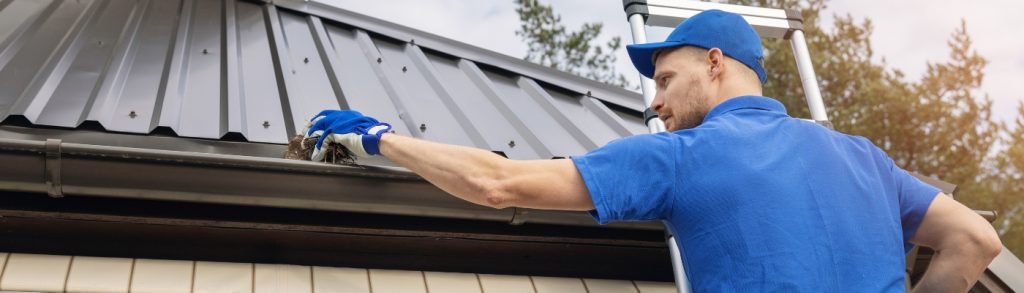
How Roof and Gutter Work Safeguards Your Property Against Weather Damage
Roof and gutter work plays a critical role in protecting the structure, comfort and long term condition of any property. It is often overlooked until something goes wrong, yet it quietly performs one of the most important jobs in a building. Every time it rains, the roof sheds water and the gutters guide it safely away from walls, foundations and living spaces. When this system works as it should, it is barely noticed. When it fails, the effects can spread quickly and become costly. Understanding roof and gutter work helps homeowners recognise early warning signs, make informed decisions and protect their property before minor issues develop into serious damage.
In the UK, where rainfall is frequent and seasonal weather changes are common, roof and gutter systems are under constant pressure. Wind, frost, moss growth and falling debris all contribute to gradual wear. Over time, tiles can loosen, joints can weaken and gutters can become blocked. These changes often happen slowly, which is why many problems remain hidden until visible symptoms appear indoors. Damp patches on ceilings, peeling paint, mould growth or water marks on brickwork are often the result of roof or gutter issues that started months or even years earlier. A clear understanding of how roof and gutter work functions allows homeowners to act earlier and avoid disruption.
Roof and gutter work is not just about repairs. It also includes inspection, maintenance and planning for long term durability. When approached correctly, it supports structural integrity, energy efficiency and indoor air quality. This article explains roof and gutter work in a clear and practical way, focusing on how these systems protect a home, why regular care matters and how to approach maintenance responsibly.
Understanding the Role of Roof and Gutter Systems
The roof is the main structure that shields a property from rain, wind and changing weather conditions. It protects the interior of a property from rain, snow, wind and temperature extremes. Beneath the visible tiles or slates, the roof structure includes battens, underlay, insulation and timber supports, all working together to create a watertight barrier. Any weakness in this system allows moisture to enter, which can compromise insulation, damage ceilings and weaken structural timbers. Roof and gutter work ensures that every part of this system functions as intended.
Gutters are equally important, although they receive less attention. Their purpose is to collect rainwater from the roof edge and direct it through downpipes and away from the building. When gutters are clear and correctly aligned, water flows smoothly without spilling onto walls or pooling at ground level. When gutters are blocked or damaged, water can overflow and soak into brickwork, leading to damp problems inside the property. Over time, this excess moisture can damage mortar joints, cause staining and contribute to long term structural issues.
Roof and gutter systems are designed to work together. A perfectly maintained roof will still cause problems if the gutters are blocked, just as clear gutters cannot compensate for damaged tiles or failing flashings. Effective roof and gutter work looks at the system as a whole rather than treating each part in isolation. This integrated approach is essential for preventing water damage and maintaining a healthy building envelope.
Why Regular Roof and Gutter Work Matters
Many homeowners underestimate the importance of regular roof and gutter work because problems are not always immediately visible. Unlike interior maintenance, where issues are easy to spot, roof level defects can remain hidden from view. However, water always finds the easiest path, and even small gaps or blockages can have far reaching effects. Regular inspection and maintenance help identify issues early, when they are easier and less expensive to resolve.
Blocked gutters are one of the most common causes of water related damage. Leaves, moss and debris accumulate over time, especially on properties near trees. As the blockage grows, water has nowhere to go and begins to spill over the sides. This repeated overflow can saturate walls and foundations, increasing the risk of damp and subsidence. In colder months, trapped water can freeze and expand, putting additional strain on gutter joints and fixings. Routine gutter clearing prevents this cycle and keeps water flowing as intended.
Roof inspections are just as important. Strong winds can lift tiles, frost can cause cracking, and moss growth can trap moisture against the roof surface. Flashings around chimneys, roof valleys and skylights are particularly vulnerable, as they rely on seals that degrade over time. Regular roof and gutter work allows these areas to be checked and maintained before leaks occur. This proactive approach protects not only the roof itself but also the internal spaces below.
Beyond preventing damage, regular roof and gutter work supports overall property value. A well maintained roof signals care and responsibility to potential buyers and surveyors. It reduces the likelihood of negative findings during inspections and contributes to a smoother sales process. Even for homeowners not planning to sell, the peace of mind that comes from knowing the roof and gutter system is sound is invaluable.
Common Issues Identified During Roof and Gutter Work
Roof and gutter work often reveals issues that homeowners may not expect. One common problem is slipped or cracked tiles. These can be caused by age, weather exposure or movement in the roof structure. Even a single missing tile can allow water to penetrate beneath the roof covering, where it may travel along timbers before appearing indoors. This makes leaks difficult to trace without professional inspection.
Gutter issues are equally varied. Sagging gutters may indicate that fixings have loosened under the weight of debris or standing water. Misaligned sections can cause water to pool instead of flowing towards downpipes. Cracks and splits may develop due to UV exposure or temperature changes, allowing water to escape even when the gutter appears clear. During roof and gutter work, these defects are identified and assessed to determine whether repair or replacement is the best option.
Another frequent finding is moss and organic growth. While moss may appear harmless, it retains moisture and can accelerate the deterioration of roofing materials. On gutters, moss contributes to blockages and increases weight, stressing joints and brackets. Addressing moss growth as part of routine roof and gutter work helps extend the lifespan of both systems and maintains proper drainage.
Internal signs often prompt homeowners to investigate roof and gutter work. Stains on ceilings, damp patches on walls and mould growth are all indicators that water is entering the building. By the time these signs appear, the underlying issue may have been present for some time. Professional assessment traces the source of the problem and ensures repairs address the cause rather than just the visible damage.
Safety and Access in Roof and Gutter Work
One of the most important aspects of roof and gutter work is safe access. Working at height carries significant risk, particularly on sloped roofs or around roof edges. Many accidents occur when individuals attempt to carry out roof or gutter tasks without proper equipment or training. Ladders alone are often unstable and do not provide a secure working platform for extended tasks.
Professional roof and gutter work uses appropriate access systems such as scaffolding. Scaffolding creates a stable and level surface that allows thorough inspection and precise work without unnecessary risk. It also protects the property by reducing the chance of accidental damage to tiles, gutters or surrounding features. Safe access is not just about protecting workers. It ensures that work is carried out carefully and to a high standard.
Weather conditions also play a role in safety. Wet, icy and windy weather significantly raises the risk of slipping or falling. Professional planning takes these factors into account, scheduling work when conditions allow for safe and effective completion. This attention to safety reflects a responsible approach to roof and gutter work and contributes to better long term results.
Long Term Benefits of Professional Roof and Gutter Work
Investing in proper roof and gutter work delivers benefits that extend beyond immediate repairs. One of the most valuable outcomes is better energy efficiency throughout the home. A well maintained roof prevents heat loss by keeping insulation dry and effective. When water enters the roof structure, insulation can become compressed or saturated, reducing its ability to retain heat. This can cause energy costs to rise while indoor comfort declines. Keeping the roof watertight supports consistent indoor temperatures and efficient energy use.
Another benefit is the protection of internal finishes. Ceilings, plasterwork and paint are all vulnerable to moisture damage. Once water penetrates the building envelope, it can spread and cause widespread deterioration. Repairing internal damage is often more disruptive and expensive than addressing roof or gutter issues early. Regular roof and gutter work helps avoid this disruption and preserves the appearance of living spaces.
There is also a clear health benefit. Damp environments encourage mould growth, which can affect indoor air quality and trigger respiratory issues. By ensuring rainwater is kept outside the building and directed away from the structure, roof and gutter work contributes to a healthier home environment. This is particularly important for households with children, elderly residents or individuals with existing respiratory conditions.
From a financial perspective, preventative roof and gutter work is generally more cost effective than emergency repairs. Small fixes carried out early reduce the likelihood of extensive damage that requires major intervention. Over the lifespan of a property, this proactive approach results in lower overall maintenance costs and greater confidence in the condition of the home.
Making Informed Decisions About Roof and Gutter Work
Understanding roof and gutter work empowers homeowners to make informed decisions about maintenance and repairs. Knowing what signs to look for, why issues occur and how systems work together helps people communicate effectively with professionals and ask the right questions. It also reduces the risk of unnecessary work or overlooked problems.
When roof and gutter work is required, a clear assessment of the system as a whole is essential. This includes considering the age of materials, the extent of damage and the long term performance of repairs. In some cases, targeted repairs are sufficient. In others, replacement of specific components provides better value and reliability. An informed approach balances immediate needs with future resilience.
Ultimately, roof and gutter work is about stewardship of the home. It reflects an understanding that buildings require care and attention to remain safe and functional. By prioritising regular inspection, safe access and professional assessment, homeowners protect their investment and ensure their property continues to perform as it should through changing seasons and weather conditions.