
What Types of Buildings Can Use Temporary Roofs?
When roof work starts, the weather can become one of the biggest problems on site. A roof may need to be opened for days or weeks while old materials are removed, repairs are made or a new roof is built. In the UK, rain, wind and cold can quickly turn an exposed building into a much bigger job.
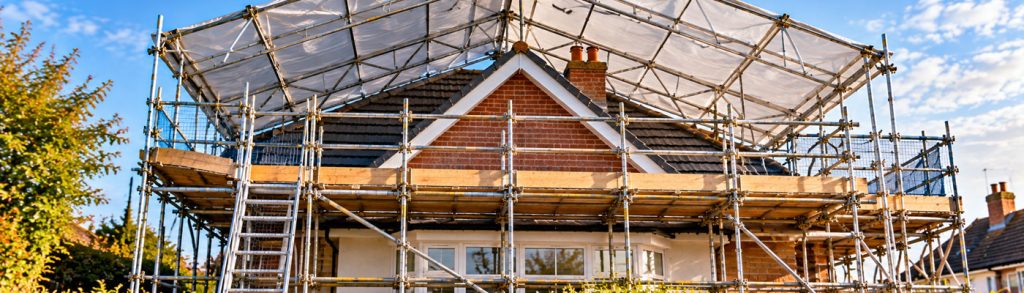
Temporary roofs provide a covered working area over the building while this work takes place. They are commonly used during roof replacements, major repairs, chimney work, loft conversions and renovations. But can any building use a temporary roof? In most cases, the answer is yes, provided the system is planned around the building, access and work being carried out.
Understanding which buildings can use temporary roofs, when they are useful and what affects the design can help you make better decisions before work begins.
Which buildings can use temporary roofs?
Temporary roofs are not limited to one type of property. They can be used on many homes and buildings where the main roof needs to be partly or fully exposed during construction. The most common example is a residential house. Terraced houses, semi-detached homes and detached properties can all need temporary roof protection when roof coverings are removed or major structural work is underway.
Older homes can also benefit from temporary roofing. Victorian and Edwardian properties often have unusual roof shapes, chimneys, extensions and limited access around the building. This does not automatically prevent a temporary roof from being installed. It simply means the scaffold and roof structure need to be assessed carefully before work starts.
Loft conversion projects are another common use. During a loft conversion, part of the roof may be altered or opened while the new structure is built. A temporary roof can help keep the loft and rooms below protected from changing weather while builders carry out the work. This can be especially useful when the project takes place over several stages rather than being completed in a short period.
Larger buildings can use temporary roofs too. Commercial premises, small apartment blocks, offices, workshops and other low-rise buildings may require temporary weather protection during roof replacement or structural repairs. The design will depend on the size and shape of the building, the roof span, the site conditions and the amount of work being carried out.
The important point is that a temporary roof is not chosen simply because a building is a house, shop or commercial property. It is chosen because the building and project need temporary protection while the permanent roof is unavailable. A site assessment is therefore an important first step.
When is a temporary roof a good idea?
A temporary roof can be particularly useful when a project involves removing enough of the existing roof to expose the structure below. If the work can be completed in a short period, weather may be less of a concern. However, larger projects can leave a building exposed for much longer, making rain protection much more important.
Full roof replacements are a clear example. Roofers may need to strip old tiles, felt, battens and other materials before installing the new roof. If the building is left open during this process, even a period of heavy rain can create problems with damp, water ingress and damage to internal areas. A temporary roof provides a layer of protection while the permanent roof is being constructed.
Chimney repairs can also benefit from temporary roof scaffolding. Work around chimneys may involve removing sections of roof covering, repairing flashing or carrying out brickwork repairs. A covered working area can help protect the work from rain while giving tradespeople better conditions at height.
Renovation projects may need temporary roofs when several parts of a building are being changed at the same time. For example, a homeowner may be combining a loft conversion with roof repairs, insulation work and improvements to the external structure. In these cases, weather protection can help keep the project moving when conditions outside are poor.
The type of temporary roof depends on the building and work. Some systems use scaffold frames with weatherproof sheeting, while others use more substantial coverings for larger or longer projects. The covering needs proper support and security, particularly where wind exposure is a concern, while leaving enough room for tradespeople to work safely.
This is why temporary roofing should be treated as part of the wider scaffolding plan rather than as a simple cover placed over a roof. The scaffold needs to provide safe access, suitable working platforms and proper support for the temporary covering. The surrounding property, neighbouring buildings, gardens, driveways and public areas may also need to be considered.
What should be considered before installing a temporary roof?
The first question is usually the building itself. Its height, roof shape, condition, access points and surrounding space can all affect the design. A narrow side passage, small rear garden or busy pavement can create very different site conditions from an open construction site.
The planned work is equally important. A temporary roof for a short chimney repair may be quite different from one needed for a complete roof replacement or loft conversion. The expected duration, materials being used and areas that need access should all be discussed before the scaffold is erected.
Access also matters. Roofers and builders need enough room to move materials and work safely, so good planning must balance weather protection with practical access.
For homeowners, the simplest approach is to discuss the roof work with the scaffolding company and roofing contractor before the project starts. A site visit allows the team to look at the property, identify access problems and consider what type of temporary roof may be suitable. It also gives the homeowner a clearer idea of how long the structure may be needed and what the installation involves.
JAX Scaffolding works mainly with residential properties across London and nearby areas, supporting projects such as roof repairs, loft conversions, chimney work and renovations. The company is family run and focuses on clear communication, site visits and straightforward quotes. Its temporary roof scaffolding is intended to help protect homes during major renovations and roof replacement work.
That practical approach matters because no two buildings are exactly the same. A temporary roof should suit the project rather than being treated as a standard add-on. The right setup can help protect the property, give tradespeople a more suitable working environment and reduce disruption when the British weather does what it often does best.
FAQ’S
Can a temporary roof be used on a terraced house?
Yes. Terraced houses are one of the types of residential buildings that can use temporary roofs. The main challenge is often access because neighbouring properties and narrow side passages can limit working space. A site assessment helps determine how the scaffold and covering can be arranged safely.
Are temporary roofs suitable for loft conversions?
Yes. Temporary roofs are often useful during loft conversions where sections of the existing roof are removed or changed. They can help protect the open structure and newly built areas from rain while the conversion is underway.
Can older Victorian and Edwardian buildings have temporary roofs?
In many cases, yes. Older buildings may have complex roof shapes, chimneys, extensions or other features that need careful planning. The age of the property does not automatically prevent temporary roofing, but the structure and access should be assessed before installation.
Do temporary roofs stop rain getting into a building?
They are designed to provide weather protection while roof work takes place, helping reduce exposure to rain. However, no temporary roof should be treated as a guarantee against every weather condition. The system needs to be properly designed, installed and checked for the site.
How long can a temporary roof stay in place?
There is no single set period. A temporary roof may be needed for a few days, several weeks or longer, depending on the project. The planned duration should be discussed during the site assessment so the scaffold and covering are suitable for the expected period.