
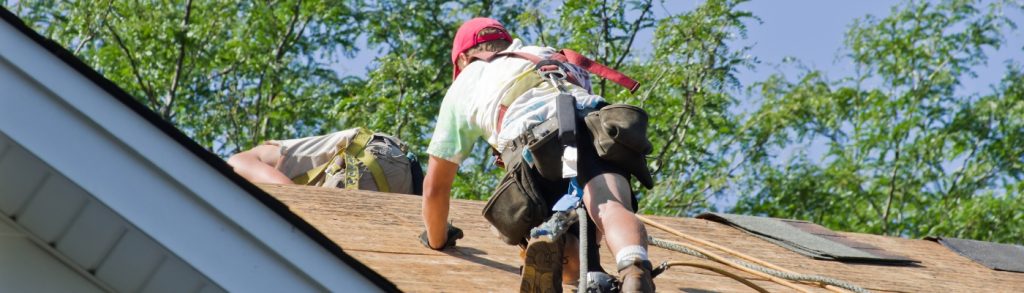
Why Professional Roofers Refuse to Work Without Proper Scaffolding
Roof repairs, roof replacements, chimney work and loft conversions all have one thing in common. They require safe access to high areas of a property. While many homeowners focus on roofing materials, labour costs and project timelines, professional roofers often pay close attention to something else before any work begins. That essential requirement is proper scaffolding.
Many people wonder why roofers insist on scaffolding when ladders appear quicker and cheaper. The answer is simple. Professional roofers understand the risks of working at height. They know that safe access is not just about protecting workers. It also protects homeowners, neighbours, properties and the quality of the finished work.
Professional scaffolding provides a secure working platform that helps reduce risks when carrying out roofing, maintenance and construction work at height. It improves access to difficult areas, supports better workmanship and helps projects progress more safely and efficiently. Proper scaffolding also protects workers, property and members of the public throughout the duration of the work.
Across the UK, health and safety standards have become increasingly important in the construction industry. Roofing contractors are expected to provide safe working conditions, and proper scaffolding plays a major role in meeting those expectations. Whether the project involves replacing damaged tiles, repairing a leaking roof, installing solar panels or carrying out a complete roof renovation, scaffolding creates a secure platform that allows roofers to perform their work correctly.
Proper Scaffolding Creates A Safer Working Environment
Roofing remains one of the most dangerous trades in the construction sector. Working several metres above ground level exposes workers to serious hazards every day. Even experienced roofers can face unexpected risks caused by loose tiles, wet surfaces, strong winds or unstable roof structures.
Proper scaffolding provides a stable working platform that significantly reduces the chance of falls. Unlike ladders, which only offer limited access and support, scaffolding allows roofers to move freely across a larger area while maintaining balance and control. This improved access helps workers focus on completing the job rather than constantly worrying about their footing.
Safety is not only about protecting roofing contractors. Falling tools, materials or debris can create risks for people below. Scaffolding systems often include protective measures that help contain materials within the work area. This reduces the likelihood of damage to vehicles, gardens, neighbouring properties and pedestrians.
Professional roofers understand that one accident can have severe consequences. Injuries may lead to project delays, financial losses and legal complications. For this reason, many experienced roofing contractors will not begin work until suitable scaffolding has been installed and inspected.
When homeowners ask why roofing quotes often include scaffolding costs, the answer lies in risk management. Investing in safe access helps prevent incidents that could become far more expensive than the cost of the scaffolding itself.
Better Access Leads To Higher Quality Roofing Work
Quality workmanship depends heavily on access. Roofers need to inspect roof surfaces carefully, identify hidden issues and complete repairs with precision. Without proper scaffolding, many areas of a roof become difficult to reach safely.
When workers are forced to operate from ladders, they often have limited movement and visibility. This can make detailed inspections more challenging. Small defects may be overlooked, leading to future problems that require additional repairs.
Scaffolding allows roofers to work closer to the roof structure while maintaining a comfortable position. This improved access enables them to examine tiles, flashing, guttering, chimneys and roof joints more thoroughly. As a result, they can identify potential issues before they develop into larger and more costly problems.
Roof replacement projects particularly benefit from scaffolding. Large quantities of materials must be transported safely to elevated areas. Workers need space to organise tools, remove old roofing materials and install new products correctly. Scaffolding creates an organised work environment that supports careful and accurate workmanship throughout the project.
Many roofing specialists agree that proper access contributes directly to the quality of the finished roof. Homeowners investing in roof repairs or roof replacement work naturally expect long-lasting results. Scaffolding helps roofers meet those expectations by allowing them to perform their tasks with greater attention to detail.
Why Roofing Regulations Make Scaffolding Essential
The construction industry operates under strict health and safety regulations designed to reduce workplace accidents. Roofing projects frequently involve working at height, which falls under specific legal requirements across the UK.
Professional roofing contractors must assess risks before starting work. In many situations, scaffolding becomes the most practical and effective method of providing safe access. Contractors who ignore safety requirements may face penalties, legal action and reputational damage.
Homeowners may not always realise that roofing companies also have a duty of care toward their employees and the public. Refusing to work without suitable scaffolding is often a sign that a contractor takes safety responsibilities seriously.
Insurance considerations also play a role. Many professional contractors maintain public liability and employer liability insurance policies. These policies often require appropriate safety measures to be in place. Working without adequate access equipment could affect insurance coverage if an accident occurs.
As regulations continue to evolve, the importance of scaffolding in roofing projects remains clear. Experienced roofers understand that following established safety practices protects everyone involved while supporting compliance with industry standards.
Scaffolding Improves Project Efficiency And Reduces Delays
Some homeowners assume that scaffolding slows projects down because it takes time to install. In reality, proper scaffolding often helps roofing work progress more efficiently.
Without scaffolding, roofers may spend considerable time repositioning ladders, transporting materials manually and finding safe ways to access different sections of the roof. These interruptions can reduce productivity and extend project timelines.
A well-designed scaffolding structure provides continuous access across large sections of a property. Workers can move tools and materials more easily, allowing them to complete tasks more quickly. Teams can also work together more effectively because multiple workers can access different areas simultaneously.
Weather conditions can further highlight the benefits of scaffolding. While poor weather may still affect roofing schedules, stable platforms provide better support during changing conditions. This can help minimise disruptions when compared with ladder-based access methods.
Homeowners often want roofing projects completed as quickly as possible to minimise inconvenience. Proper scaffolding contributes to smoother workflows, helping contractors maintain progress and avoid unnecessary delays.
The efficiency benefits become even more noticeable during larger projects such as roof replacements, loft conversions, chimney repairs and extensive property renovations. In these situations, safe and reliable access can make a significant difference to overall project performance.
Protecting Properties During Roofing Work
Roofing projects involve more than working at height. They also involve handling heavy materials, removing damaged components and transporting equipment across the worksite. Without suitable access arrangements, the risk of accidental property damage increases.
Scaffolding helps create a controlled environment around the building. Materials can be moved safely to and from roof level without relying solely on ladders. This reduces the likelihood of dropped tools, damaged gutters, broken windows or harm to landscaping features.
Many modern scaffolding systems can also support temporary protective coverings when required. These coverings can help shield parts of the property from weather exposure during major roofing work. This becomes particularly important when sections of the roof are temporarily removed.
Professional roofers understand that homeowners expect their property to be treated with care. Proper scaffolding supports this objective by creating safer access routes and reducing unnecessary risks throughout the project.
Protecting a property is not simply about avoiding visible damage. It also involves protecting the structural integrity of the roof during repairs and renovations. Stable working platforms help roofers carry out their tasks without placing excessive stress on vulnerable roof sections.
Why Experienced Roofers See Scaffolding As An Investment Rather Than A Cost
When reviewing roofing quotations, some homeowners focus on the cost of scaffolding and wonder whether it can be removed from the project. Professional roofers usually take a different view. They see scaffolding as an investment in safety, workmanship and project success.
The cost of scaffolding is often small when compared with the potential consequences of an accident, property damage or poor-quality repairs. Experienced contractors recognise that proper access contributes to better outcomes across every stage of a roofing project.
A secure working environment allows roofers to concentrate fully on their craft. It enables detailed inspections, accurate installations and safer handling of materials. It supports compliance with safety regulations while helping projects progress efficiently.
This perspective explains why many reputable roofing companies refuse to compromise on scaffolding requirements. Their experience has shown that cutting corners on access arrangements often creates more problems than it solves.
For homeowners planning roof repairs, roof replacement work or home improvements involving elevated areas, understanding the value of scaffolding can lead to better decisions. Safe access forms the foundation of successful roofing work, helping ensure that projects are completed to a high standard while protecting everyone involved.
Conclusion
Professional roofers refuse to work without proper scaffolding because they understand the realities of working at height. Safety, workmanship, legal compliance, efficiency and property protection all depend on having suitable access systems in place before work begins.
While ladders may appear convenient for minor tasks, they cannot provide the same level of stability, access and protection required for most roofing projects. Scaffolding allows roofing professionals to carry out detailed inspections, complete repairs accurately and manage risks more effectively.
As roofing standards continue to evolve across the UK, proper scaffolding remains one of the most important elements of any successful roofing project. Homeowners who understand its role are better equipped to appreciate why experienced roofers view scaffolding not as an optional extra, but as an essential part of delivering safe and high-quality results.
At JAX Scaffolding, we provide professional roof scaffolding solutions that create safe and secure access for roofing projects of all sizes. We work closely with contractors and property owners to deliver carefully planned scaffolding systems that support efficient working conditions while helping maintain high safety standards throughout the project.