
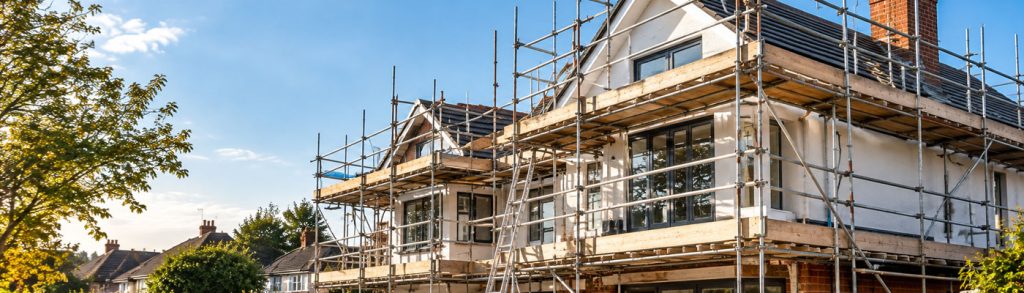
10 Costly Mistakes to Avoid When Hiring Scaffolding
Hiring scaffolding can look straightforward, but small mistakes can lead to extra cost, wasted time, and avoidable risk. The right scaffold gives safe access, keeps trades moving, and helps the whole job stay on track. The wrong one can slow work down before it has even started.
For homeowners and trades, the biggest problems usually happen before the scaffold goes up. A rushed quote, poor measurements, weak communication, or missed safety checks can all turn into bigger issues later. JAX Scaffolding presents itself as a South London family-run team that handles scaffold hire across London and surrounding areas, with clear pricing, full delivery, erection, dismantling, and removal, plus a strong focus on safety and simple communication.
Do not choose the cheapest quote without checking what is included
A low price can be tempting, but it is one of the easiest ways to make scaffolding hire more expensive in the end. Some quotes leave out delivery, changes, removal, or extra time on site. Others do not explain what happens if the job runs over. A proper quote should make the full cost clear before work starts, so you can compare suppliers fairly.
It is also worth checking what the price is actually buying you. If a company is cheaper because it cuts corners on planning, communication, or safety, the saving may not last long. For roof work, gutter jobs, chimney access, painting, or extensions, the scaffold needs to support the job properly. A well-planned structure often saves more money than a small upfront discount.
Make sure the scaffold fits the job and the property
Another costly mistake is assuming every scaffold is the same. It is not. A scaffold for a loft conversion is different from one for a small repair, and a scaffold for a narrow driveway is different from one for an open front garden. The shape of the house, the height of the work, and the ground conditions all matter.
This is where good scaffold hire earns its place. JAX Scaffolding’s site repeatedly focuses on domestic jobs such as roof repairs, chimney work, gutter and fascia work, loft conversions, and upper wall painting, which shows how much the fit matters on real homes. Their pages also stress that the scaffold should suit the property, not force the property to suit the scaffold.
You should also think about access for the people using it. Will the scaffold block a driveway, garden path, or entrance? Will the trades need room for tools and materials? If the answer is yes, the design should be planned around that from the start.
Do not ignore safety, checks, and the full hire period
Safety should never be an afterthought. Scaffolding is only useful if it is properly built, properly checked, and used for the right job. Good scaffold hire should follow UK safety standards, use trained and insured staff, and include checks before and during use. JAX Scaffolding makes that part of its message across the site, with strong references to being fully insured, certified, and safety first on residential jobs.
The hire period matters too. If the scaffold comes down too early, other trades may have to stop work. If it stays up too long, you may pay more than planned. That is why the start date, finish date, and likely changes should all be discussed before the scaffold is installed. If you are doing roof repairs, external painting, repointing, or gutter work, the scaffold should match the real schedule, not just the hopeful one.
Permits can also catch people out. In some cases, scaffolding that goes over pavement or public space may need permission. A good company should explain this early, so there are no delays once the work is ready to begin.
Check communication before you commit
A scaffold company can have the right equipment and still cause problems if communication is poor. If calls are not returned, quotes are vague, or dates keep changing, the job can quickly become stressful. That is especially true when several trades are waiting on access.
The best scaffolding hire feels simple from the first conversation. You should know who is coming, what is being installed, how long it should take, and who to speak to if plans change. JAX Scaffolding’s site uses that same direct style, with phrases about honest prices, friendly support, quick response, and straightforward help. Their local pages also talk about clean site management and a team that turns up when it says it will.
That matters because scaffolding often sits in the middle of the whole project. Builders, painters, roofers, and decorators all depend on it. When the scaffold team is easy to reach, problems are easier to fix before they become delays.
Think about the home, not just the scaffold
One mistake many people make is focusing only on the structure and forgetting about the property around it. Tight gardens, shared driveways, bay windows, low walls, chimneys, and awkward corners all affect the setup. A scaffold should make access easier, not turn the home into a daily obstacle.
This is especially important on domestic jobs. Homeowners often need scaffolding for chimney maintenance, roof repairs, repainting upper walls, gutter and fascia work, or loft conversions. These are common jobs, but they still need careful access. JAX Scaffolding’s service pages show that it works on this kind of home project every day, which is a good sign that the company understands practical domestic access rather than only bigger building sites.
It also helps to ask how the team will protect the site while the scaffold is in place. A tidy, organised setup makes life easier for the people living there and for the trades working there. The same is true when the job ends. Removal should be planned just as carefully as installation.
FAQs about scaffolding hire
What should a scaffolding quote include?
A clear scaffolding quote should explain what is included, how long the hire lasts, and whether delivery, erection, removal, or changes could affect the price. It should be easy to understand. If anything seems vague, ask before you book.
How do I know what type of scaffold I need?
It depends on the job, the height, the shape of the building, and how long the work will take. A roof repair, chimney job, or extension may all need a different setup. A good scaffolder should ask about the property before giving advice.
Do I need scaffolding for small home repairs?
Not always, but if the work involves height, roof edges, gutters, chimneys, or upper walls, scaffolding is often the safer choice. Even a small job can become awkward if access is poor. It is better to ask early than to rely on a ladder that is not suited to the task.
How long can scaffolding stay up?
That depends on the project and the agreement with the company. Some jobs only need a few days, while others need several weeks. The best approach is to agree the likely time frame before the scaffold is installed, so there are no surprises later.
Can scaffolding be set up on a narrow driveway?
Yes, often it can, but it needs careful planning. Narrow access, shared driveways, and small front gardens are common on home projects. The scaffold should be designed around the space so it does not block the job or the people using the property.