
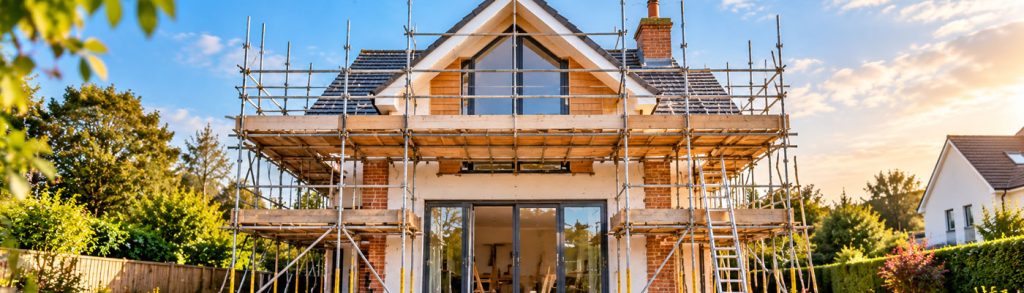
7 Signs Your Renovation Project Needs Professional Scaffolding
Renovation work often starts with a simple plan. Then the job grows. The roof edge is harder to reach than expected. The walls sit higher than a ladder can handle for long. The painters need the same access day after day. That is usually when people realise professional scaffolding is not just an extra cost. It is part of doing the job properly.
If you are unsure whether your project needs scaffold hire, it helps to look at the work with fresh eyes. Some tasks can be done from the ground or with a short ladder. Other tasks need a stable platform, proper edge protection, and room for trades to move safely. The warning signs are not always dramatic. Often they are small clues that show the job is too high, too awkward, or too slow for quick fixes. Spotting them early can save time and reduce stress.
When the job starts reaching past simple access
One clear sign is height. If the work sits above the first floor, or close to the roofline, ladders may no longer be the right choice. A ladder can help with short tasks, but it is not made for long spells of work or for carrying tools, paint, and materials while trying to stay balanced. If your project includes chimney work, roof repairs, gutter replacement, fascia painting, or upper wall decorating, scaffolding gives people a steadier place to work.
Another sign is repeat visits. A renovation is rarely a one morning job. Once different trades are involved, the access point must stay useful for everyone. Roofers may need one setup, then decorators may need another. If ladders keep being moved around the site, that is a strong hint that the job would run better with a scaffold structure. It keeps access in one place and saves time.
Weather is another clue. British weather does not always wait for a good day. If your work is outdoors and likely to continue through wind or rain, scaffolding can make the site easier to manage. A stable platform gives workers better footing and better control. For larger roofing or loft jobs, temporary roof scaffolding can also help protect the work area while the project moves forward.
When the property shape makes ladders a poor fit
The next sign is awkward access. Many homes are not simple boxes with wide open fronts. There may be a sloped driveway, a narrow side return, a shared path, a low wall, a conservatory, or a tight garden that makes access tricky. When a ladder has to be placed at an angle that feels rushed or cramped, the job is no longer straightforward. Professional scaffolding can be built around the space you actually have.
This is also true when the work touches more than one side of the house. A loft conversion, a dormer build, or a full exterior refresh may need access across the front, side, and rear. In that case, moving ladders around the site becomes slow and clumsy. A scaffold creates a clear route for trades, so they are not wasting energy climbing up and down or carrying materials through the house more than necessary.
Another sign is when the finish matters. If you are repainting, rendering, repointing, or doing careful repair work, the right access makes a difference. A shaky ladder can make it harder to paint a clean edge or complete neat repairs at height. A scaffold platform lets workers stand properly and keep both hands free, which usually means a better result and fewer mistakes.
A final warning sign is when the access method feels improvised. You might notice trades stretching too far, avoiding certain areas, or using makeshift ways to reach awkward spots. That is the moment to stop and think again. If the setup feels temporary and awkward, it probably is. Professional scaffolding removes that guesswork and gives the project a proper working base.
Why getting scaffold hire sorted early helps the whole project
The best time to think about scaffolding is before the work starts. Once the job is underway, late access changes can push the schedule back and add pressure to every trade on site. If the roofers are ready but the access is wrong, the job stalls. If decorators are waiting for roof work to finish, the whole plan shifts. Good scaffold hire keeps the project moving in the right order.
It also helps with cost control. A lot of homeowners worry that scaffolding will be too much for a smaller renovation. In reality, the right setup can stop bigger problems later. It may reduce wasted labour time, help trades finish faster, and lower the chance of damage caused by poor access. The point is not to make the job look bigger. The point is to give it the access it needs from the start.
There is also peace of mind in using a team that understands the site before anything goes up. A proper scaffold hire service should look at the property, measure the space, talk through the work, and give a clear price before installation. That matters because no two homes are the same. A scaffold that works for one house may not suit the next. JAX Scaffolding takes a clear, practical approach, with straightforward pricing, on-time setup, and tidy removal at the end of the job. The team works across London and surrounding areas, and the service is built around keeping home projects safe and simple.
If part of the scaffold may sit on a pavement or road, it is worth sorting that out early as well. The site can need extra planning, and a good team should help guide you through it rather than leaving you to guess. When the job finishes, the scaffold should come down cleanly and the property should be left tidy, not cluttered.
If you are still weighing it up, ask one simple question. Can the work be done safely and well without constant climbing, stretching, or moving ladders around? If the answer is no, professional scaffolding is probably the smarter choice. It is not just for large builds. It can help with roof repairs, upper floor painting, chimney work, loft conversions, gutter repairs, and many other renovation tasks where access matters.
FAQs about professional scaffolding for renovation projects
Do I need scaffolding for a small renovation project?
Not always, but size is not the only thing that matters. A small project can still need scaffold hire if the work is high up, awkward to reach, or likely to take more than a quick visit. A short repair on a tall wall may need more than a ladder if the person doing the job needs both hands free.
Can I use ladders instead of scaffolding?
Sometimes, yes. But ladders are best for light work that is short, simple, and low risk. They are not the best choice for long jobs, heavy tools, or anything near the roofline. If the job needs repeated access, scaffolding usually gives a safer and steadier working area.
What renovation jobs usually need scaffolding?
Roof repairs, chimney work, loft conversions, gutter replacement, fascia painting, exterior decorating, repointing, and upper floor window work often need scaffolding. These jobs involve height, balance, and repeated access, which is where a proper scaffold helps most.
How long can scaffolding stay up?
That depends on the job and the hire agreement. Some projects need it for only a few days, while others keep it in place for several weeks. The right setup depends on how long the work will take and how many trades need access during the project.
Will scaffold hire make my project more expensive?
It adds a cost, but it can also save money by reducing delays and helping trades work faster and more safely. The real question is whether the access setup helps the job run well. In many cases, it does.