
How to Protect Your Building During Renovation
Renovation can improve a home, but the work can also leave parts of the building exposed. Roof tiles may be removed, walls may be opened up, windows can be replaced and external surfaces may need to stay uncovered while trades work. In the UK, rain and wind can quickly turn a small exposed area into a much bigger problem.
This is where roof scaffolding can play an important role. It gives workers a stable place to work at height, while a temporary roof or protective sheeting can help reduce exposure during major roof and renovation work. For homeowners, the aim is not simply to make access easier. It is to protect the building, people around it and the progress of the renovation.
JAX Scaffolding is a South London family-run company providing residential scaffolding across London and nearby areas. Its services include roof and gutter access, loft conversions, painting and decorating, and temporary roof scaffolds for larger renovation or roof replacement projects. The company also focuses on safe working, clear communication and keeping properties tidy.
Why roof scaffolding matters during renovation
A renovation project often involves more than one trade. Roofers may need to remove tiles, builders may work on an extension, and decorators may need access to upper walls. Without a suitable working platform, people may depend on ladders or move equipment around awkward areas. This can make work harder and increase the risk of falls, dropped materials or accidental damage.
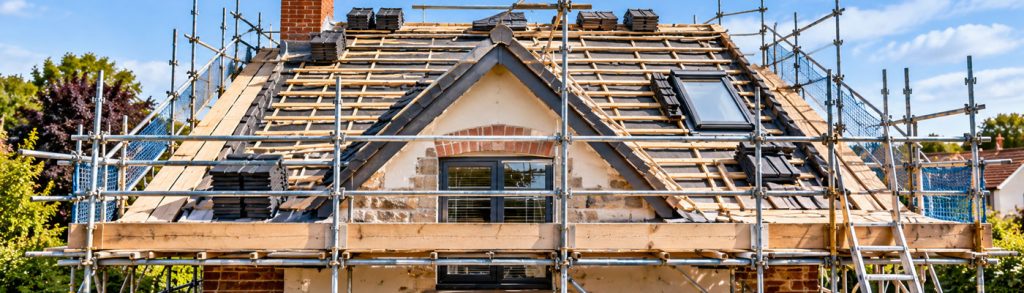
Roof scaffolding creates a proper working platform around the areas that need attention. It can provide access to roof edges, gutters, chimneys, upper walls and other hard-to-reach parts of a property. Guard rails, working platforms and safe access routes are designed as part of the scaffold setup, rather than leaving workers to find their own way around the building.
It can also help protect the building itself. When scaffold is planned properly, workers have more room to move materials without repeatedly climbing on and off the roof. This matters when handling roof tiles, timber, tools or other heavy items. Good access can also help trades work with greater care around roof coverings, windows, brickwork and finished areas.
The protection becomes even more important when a roof is being repaired or replaced. Once old tiles or sections of roof covering have been removed, the building may be more exposed to rain. Water entering the wrong part of a property can damage ceilings, insulation, plaster and internal finishes. A temporary roof scaffold can create a covered working area while the roof is open, helping to reduce the effect of poor weather and giving the roofing team more time to work safely.
How to protect a building before and during the work
Good protection starts before the first scaffold tube is put in place. The planned work should be understood clearly, including which parts of the building will be exposed, where materials will be stored and how workers will access the site. It is also worth considering nearby paths, driveways, gardens, conservatories and neighbouring properties.
The scaffold design should match the job. A small roof repair may need a different arrangement from a full re-roof, loft conversion or external renovation. If the project includes a temporary roof, the scaffold needs to support the covering and allow trades enough room to work underneath it. Access points should also be considered so workers can move safely between the ground, scaffold and roof area.
Weather is another major part of the plan. Rain is an obvious concern, but strong winds can also affect temporary coverings and exposed structures. Renovation work should not simply continue because the scaffold is already standing. Site conditions need to be considered throughout the job, particularly when roof areas are open.
JAX Scaffolding explains that its process starts with a visit to the property to measure the area, identify access issues and work out an appropriate scaffold design. It then provides a clear quote before installation, with the team remaining available if the project needs extra hire time or changes. This can be useful when renovation dates move, which is common when several trades are involved.
For homeowners, one simple way to avoid problems is to make sure the scaffolding company and main contractor understand the same programme. If roofers expect to finish on Friday but external rendering is due to start the following Monday, removing the scaffold between the two jobs may create an unnecessary gap. Planning access around the whole renovation can save time and reduce repeated installation costs.
What should you do if your roof will be exposed?
If a renovation involves opening a roof, speak to the roofing contractor and scaffolding company before work starts. They can discuss whether a temporary roof is suitable and what level of protection is needed. This is particularly important for projects that may take several days or weeks.
Do not assume that a small opening is harmless. Water can travel beyond the point where it enters, and moisture trapped inside a building can cause further issues if it is not dealt with quickly. Temporary protection should therefore be treated as part of the project plan, not something to arrange after bad weather arrives.
If your property is in London, local site conditions can affect planning. Narrow side access, parked cars, pavements and neighbouring buildings may all need to be considered. Where scaffold needs to extend over a public pavement or road, council permissions may be required. JAX Scaffolding states that it can help with the council application where scaffolding needs to use public space.
Frequently asked questions about protecting buildings during renovation
Is roof scaffolding necessary for a roof renovation?
Roof scaffolding is often used because it provides a safer working platform and better access around the roof. Whether it is required depends on the work, property and working conditions. A professional assessment should be made before work starts.
Can roof scaffolding protect my home from rain?
Scaffolding alone does not make a property waterproof. For projects where large areas of the roof are open, a temporary roof system can provide additional cover and help reduce exposure to rain. The design needs to suit the building and the work being carried out.
How does scaffolding protect a building during renovation?
It gives workers controlled access to roof edges, walls, gutters and other high areas. This can reduce the need to climb directly on finished surfaces and provides a stable place for carrying out work. Temporary roofing can add another layer of protection when a roof is exposed.
How long should scaffolding stay up during a renovation?
It should stay up for as long as safe access is needed. Short repairs may take a few days, while loft conversions and larger renovations can need several weeks. Review the hire period if the project changes.
Will scaffolding damage roof tiles or my property?
It should be planned and installed carefully to reduce the risk of damage. Tell the scaffolders about sensitive areas, restricted access or concerns before installation.
Do I need permission for scaffolding during renovation?
If scaffolding stays entirely on private property, permission may not normally be needed. If it extends onto a public pavement or road, a council permit may be required. Local rules vary, so check the requirements for your area before installation.
Can scaffolding be used for more than roof repairs?
Yes. It can support loft conversions, painting, rendering, brickwork, gutter repairs, chimney work and other external renovation tasks. The setup should suit the work.
When should I arrange roof scaffolding?
Arrange it before the roofing or renovation work begins. This gives the scaffold team time to inspect access, understand the job and prepare the right setup.
Protecting a building during renovation is mainly about planning ahead. Safe access, sensible weather protection and good communication between the homeowner, scaffolding team and trades can prevent small problems from becoming expensive delays. For roof repairs, replacements and wider home renovations, the right scaffold setup can give workers the access they need while helping keep the property protected throughout the job.
JAX Scaffolding provides residential scaffolding across London, with services covering roof and gutter work, loft conversions, external decorating and temporary roof systems. As a local, family-run company, its approach focuses on clear communication, safe working and practical arrangements that fit the project. If you are planning renovation work, discussing the scaffold requirements early can help you understand what your building needs before the work begins.