
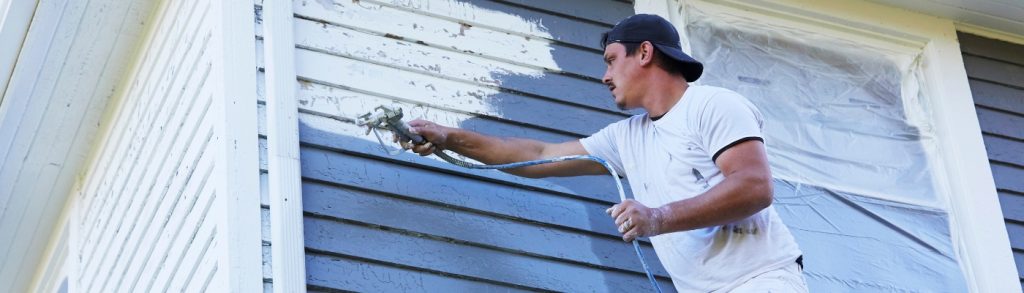
Painting and Decorating in the UK with Confidence Through Safe Access
Painting and decorating play a vital role in how a property looks, feels, and performs over time. Whether the aim is to refresh tired interiors, protect exterior walls from weather damage, or prepare a building for sale or long term use, the quality of the decorating work has a direct impact on both appearance and durability. While colour choice and finish often receive the most attention, the conditions in which painting and decorating are carried out matter just as much. Access, safety, preparation, and working environment all influence the final result.
For many residential and commercial properties, painting and decorating involve working at height. External walls, upper storeys, gables, fascias, soffits, stairwells, and high ceilings all require careful planning before work begins. Attempting these tasks without proper access can lead to rushed workmanship, uneven finishes, and unnecessary risk. When painters and decorators are properly supported, they can focus fully on achieving clean lines, consistent coverage, and long lasting results.
This guide explores painting and decorating from a practical and professional perspective. It looks at preparation, surface care, working at height, environmental conditions, and how stable access supports quality outcomes. The aim is to provide clear, useful information that helps property owners understand what is involved and why correct planning matters for safe and effective painting and decorating projects.
Understanding the Scope of Painting and Decorating Work
Painting and decorating cover far more than simply applying colour to walls. Each project begins with assessing the condition of the surfaces, the height and layout of the building, and the surrounding environment. External decorating may involve brickwork, render, timber cladding, metal railings, window frames, doors, soffits, and fascia boards. Internally, work can include ceilings, staircases, feature walls, high landings, and structural elements that are not easily reached from floor level.
The scope of the work determines how much preparation is required and what type of access is needed. Older properties often have uneven walls, fragile surfaces, or areas that need repair before paint can be applied. Newer buildings may require less preparation but still present challenges when working at height or across wide elevations. Understanding the full scope at the start allows decorators to plan the safest and most efficient way to complete the work.
When access is limited or unstable, decorators may need to reposition equipment repeatedly. This disrupts workflow and increases the likelihood of mistakes. A stable working platform allows consistent movement along the surface being painted. This is particularly important for achieving even coverage on large exterior walls or maintaining straight lines around architectural features.
Preparation as the Foundation of Quality Results
Preparation is one of the most important stages of painting and decorating, yet it is often underestimated. Proper preparation ensures that paint adheres correctly and performs as intended. This includes cleaning surfaces to remove dirt, algae, and loose material, repairing cracks or damaged areas, sanding rough patches, and applying primers or sealers where needed.
When preparation work takes place at height, safety becomes a central concern. Scraping and sanding require two hands and controlled movement. Working from ladders during these stages can be uncomfortable and unsafe, especially over long periods. Stable access allows decorators to maintain balance, apply even pressure, and work methodically without rushing.
The quality of preparation directly influences the lifespan of the paint finish. Poorly prepared surfaces can lead to peeling, blistering, or uneven colour within a short time. By contrast, surfaces that are properly prepared and painted under controlled conditions can maintain their appearance and protective qualities for many years.
Working at Height During Painting and Decorating
Many painting and decorating projects involve working above ground level. External walls on two storey homes, commercial buildings, and properties with complex rooflines all require safe access solutions. Internal spaces such as stairwells, atriums, and high ceilings also present challenges that cannot be safely managed with basic equipment alone.
Working at height demands stability, clear working space, and reliable support. Painters need room to move brushes, rollers, or spray equipment without obstruction. They also need safe places to store materials and tools within reach. When access is secure, decorators can focus on technique rather than constantly adjusting their position.
Poor access can lead to uneven paint application, missed areas, and fatigue. Fatigue increases the risk of accidents and reduces attention to detail. A well planned access setup supports both safety and craftsmanship by creating a controlled environment where decorators can work confidently for extended periods.
The Role of Stable Access in Professional Decorating
Stable access is a critical factor in achieving professional painting and decorating results. Platforms that provide level footing allow decorators to maintain consistent height and distance from the surface being painted. This consistency helps achieve even coverage and reduces visible overlaps or patchiness.
For exterior work, stable access supports tasks such as cutting in around windows, painting soffits, and reaching gable ends. These areas require precision and often involve working overhead. Without proper access, decorators may rush or compromise techniques to maintain balance. With the right support, they can work carefully and accurately.
Stable access also improves efficiency. Decorators can move laterally along a wall without repeatedly climbing down and repositioning equipment. This saves time and reduces physical strain. Over the course of a full painting project, these efficiencies add up to smoother progress and more consistent results.
Environmental Conditions and Their Impact on Painting
Environmental conditions play a major role in painting and decorating, particularly for exterior projects. Temperature, humidity, wind, and rainfall all affect how paint behaves during application and drying. Applying paint in unsuitable conditions can lead to poor adhesion, streaking, or premature failure.
When decorators have proper access and protection, they can better manage these environmental factors. Covered platforms or sheltered working areas may allow work to continue safely in light wind or variable conditions. Secure footing also reduces the risk of slips when surfaces are damp or uneven.
Understanding weather patterns and planning work accordingly is part of responsible decorating practice. This planning is far more effective when access solutions are adaptable and professionally installed, allowing adjustments without compromising safety.
Health, Safety, and Responsibility on Decorating Projects
Health and safety are fundamental to any painting and decorating project. Working at height introduces risks that must be managed through planning, equipment selection, and professional setup. Responsible decorators assess potential hazards before starting work and ensure that access arrangements meet safety standards.
Safe access reduces the likelihood of falls, muscle strain, and accidents involving tools or materials. It also protects people below the work area by providing defined platforms and clear boundaries. For property owners, this reduces disruption and provides reassurance that the work is being carried out responsibly.
A strong safety culture supports better outcomes. When decorators feel safe, they work with greater confidence and care. This leads to higher quality finishes and a more positive experience for everyone involved.
Painting and Decorating as Part of Property Maintenance
Painting and decorating are not only about appearance. They also play a key role in protecting buildings from weather, moisture, and wear. Exterior paint acts as a barrier against rain and temperature changes. Internal finishes protect surfaces from daily use and make spaces easier to maintain.
Regular decorating helps identify underlying issues such as cracks, rot, or damp before they become serious problems. Access to all areas of a building allows thorough inspection and early intervention. This preventative approach supports long term property health and value.
For property owners, understanding the importance of proper access during decorating work helps ensure that maintenance tasks are carried out thoroughly rather than superficially. Areas that are difficult to reach should not be ignored, as they are often the most vulnerable to damage.
Achieving Long Lasting Results Through Proper Planning
Long lasting painting and decorating results come from careful planning and attention to detail. This includes choosing the right materials, preparing surfaces correctly, working under suitable conditions, and ensuring safe and stable access throughout the project.
Rushed work or shortcuts often lead to disappointing results that require costly repairs or repainting. By contrast, a well planned project supported by proper access allows decorators to work efficiently without compromising quality.
For homeowners, investing time in understanding these factors leads to better decisions and more satisfying outcomes. Painting and decorating carried out under the right conditions not only look better but also provide lasting protection and value.
Conclusion
Painting and decorating are skilled trades that rely on more than colour and creativity. Preparation, safety, access, and environmental awareness all contribute to the success of a project. Working at height is a common requirement, and without proper support it can compromise both safety and quality.
Stable access allows painters and decorators to focus on their craft, achieve consistent finishes, and work responsibly. Whether the project involves a single property or a larger building, thoughtful planning and professional standards make a measurable difference.
By understanding how painting and decorating work together with safe access solutions, property owners can approach their projects with confidence, knowing that the final result will be both attractive and durable.