
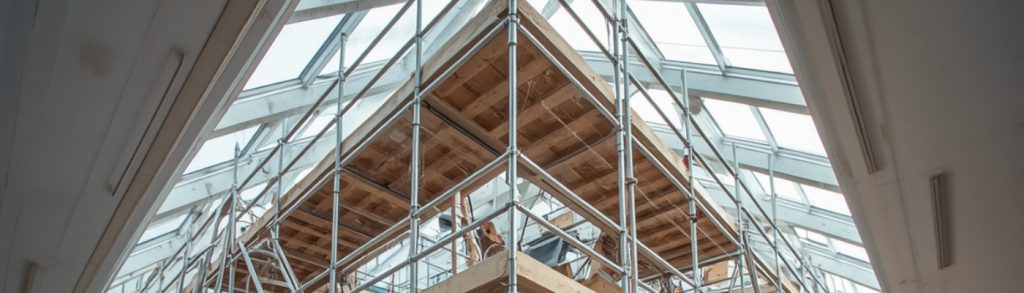
Turn Your Loft Into a Living Space With the Right Steps and Scaffolding
Many homes across the UK hold an untapped opportunity just above the ceiling. The loft often becomes a place for storage, filled with boxes and forgotten items, yet it has the potential to become one of the most valuable and functional areas in a property. As property prices continue to rise and moving becomes more expensive, homeowners are increasingly choosing to convert their loft instead of relocating. A well planned loft conversion can create a comfortable bedroom, a quiet office, or even a private retreat without changing the footprint of the home.
External work such as brick cleaning, repointing, and render removal is often carried out during a loft conversion to restore and improve the condition of the property’s exterior.
Repointing services by professionals helps strengthen ageing brickwork and protects it from weather damage, while brick cleaning enhances the overall appearance by removing dirt, stains, and buildup. Paint removal is also important in many cases, as it allows the brick to breathe properly and restores the original finish of the surface.
However, turning a loft into a living space is not just about adding furniture and decoration. It is a detailed construction process that requires proper planning, structural understanding, and safe access to elevated areas. One of the most important yet often overlooked elements in this process is scaffolding. Without it, the entire project becomes more difficult, less efficient, and far more dangerous.
This guide explains what a loft conversion is, how the process works from start to finish, and why scaffolding plays a critical role in ensuring both safety and quality. The aim is to provide clear and practical information that helps homeowners understand what to expect and how to approach a loft conversion the right way.
What Is a Loft Conversion and Why It Matters
A loft conversion is the process of transforming unused attic space into a functional living area. Instead of leaving the space empty or using it for storage, it is redesigned and built to meet modern living standards. This includes proper flooring, insulation, lighting, ventilation, and access through a staircase. The result is a fully usable room that integrates with the rest of the home.
The importance of a loft conversion goes beyond just adding space. It changes how a home functions. For growing families, it provides an extra bedroom without sacrificing garden space. For professionals working from home, it offers a quiet and separate area that improves focus and productivity. In many cases, it also increases the overall value of the property, making it a practical long term investment.
From an architectural perspective, loft conversions make use of existing structure. This reduces the need for large scale extensions and helps maintain the original layout of the property. It is also a more sustainable approach compared to building outward, as it uses materials and space that already exist within the home.
There are several types of loft conversions, including dormer, rooflight, hip to gable, and mansard designs. Each type suits different property styles and structural conditions. The choice depends on factors such as roof shape, available height, and planning considerations. While these details may vary, the core principle remains the same. The goal is to turn an underused area into a comfortable and practical living space.
Understanding the Full Process of a Loft Conversion
A loft conversion is not a single step task. It involves a sequence of stages that must be carefully planned and executed. Each stage builds on the previous one, and any mistake early in the process can affect the final outcome. Understanding this journey helps homeowners make informed decisions and set realistic expectations.
The process starts with a thorough evaluation to determine if the loft can be converted safely and effectively. This includes checking the height of the space, the pitch of the roof, and the condition of the existing structure. A loft with limited headroom may require structural changes, while some properties may need reinforcement before any work begins. This initial evaluation is essential to determine feasibility and cost.
Once the loft is deemed suitable, the planning and design stage follows. This is where ideas take shape. Layouts are created, and decisions are made about how the space will be used. At this stage, considerations such as natural light, ventilation, and access are addressed. In some cases, planning permission may be required, especially if the design involves significant changes to the roof structure.
The next stage involves structural preparation. This is one of the most important parts of the process. The existing ceiling joists are usually not strong enough to support a living space, so new floor joists are installed. Steel beams may also be added to provide additional support. This ensures that the new room is safe and stable for everyday use.
Roof modifications often follow. Depending on the type of conversion, this may include adding dormer windows, installing rooflights, or altering the roof shape to create more headroom. These changes not only improve usability but also allow natural light to enter the space, making it more inviting.
After the main structure is in place, the focus shifts to internal work. Insulation is added to regulate temperature and improve energy efficiency. Walls and ceilings are constructed using plasterboard, and electrical wiring is installed for lighting and sockets. Plumbing may also be added if the loft includes a bathroom. A staircase is then installed to provide safe and permanent access.
The final stage involves finishing and decoration. This includes plastering, painting, flooring, and installing fixtures such as lighting and storage units. At this point, the loft transforms from a construction site into a fully functional living space.
Throughout this entire process, access to the roof and upper structure is required. Workers need to move materials, carry out installations, and perform detailed work at height. This is where scaffolding becomes essential.
Steps Followed in Loft Conversion
A loft conversion follows a structured process where each stage plays an important role in creating a safe, comfortable, and fully functional living space. It begins with careful planning and gradually moves through construction, internal work, and final finishing. Every step must be handled with attention to detail to ensure the space meets both structural standards and everyday living needs.
Planning and Design
The first stage of a loft conversion focuses on understanding the existing structure and developing a clear vision for the new space. A site inspection is carried out to assess whether the loft is suitable for conversion, including checking head height, roof condition, and overall stability. Once feasibility is confirmed, the design and layout planning stage begins. This involves deciding how the space will be used, whether as a bedroom, office, or additional living area, and arranging the layout to maximise light, space, and accessibility. Permissions and approvals are also considered at this stage, especially if the project involves significant structural changes or falls under local planning requirements. Proper planning ensures that the project starts on a solid foundation and avoids unnecessary delays later.
Structural Preparation
After planning is complete, the focus shifts to strengthening the structure to support a new living space. Loft areas are not originally designed to carry the weight of furniture and daily use, so the floor must be reinforced with stronger joists. In many cases, steel beams are installed to provide additional support and stability. The roof structure is also checked and strengthened where necessary to handle any modifications. Throughout this stage, safety standards are strictly followed to ensure that the conversion meets building regulations and provides long term durability. This phase is essential because it forms the backbone of the entire project.
Roof Modifications
Roof modifications are carried out to improve both space and usability within the loft. This often includes adding windows such as rooflights or dormer windows, which bring in natural light and improve ventilation. In some cases, the roof structure is altered to increase headroom, making the space more practical for everyday use. These changes not only enhance comfort but also transform the loft into a bright and inviting environment. Careful execution during this stage ensures that the exterior of the property remains visually consistent while delivering improved functionality inside.
Insulation and Internal Work
Once the main structure and roof adjustments are complete, attention turns to making the space comfortable and suitable for living. Insulation is installed to regulate temperature and improve energy efficiency, ensuring the loft remains warm in winter and cool in summer. Electrical systems are added to provide lighting, sockets, and other essential features, while plumbing may be included if the design involves a bathroom or utility area. A staircase is then installed to create safe and permanent access to the loft. Walls and ceilings are constructed using suitable materials to define the space and prepare it for finishing. This stage brings the loft closer to becoming a fully usable part of the home.
Finishing and Decoration
The final stage focuses on turning the constructed space into a finished living area. Walls are plastered and painted, flooring is installed, and lighting fixtures are fitted to create a comfortable atmosphere. Attention is given to detail to ensure that the loft blends seamlessly with the rest of the home. Final touches such as storage solutions, fittings, and decorative elements complete the transformation. At this point, the loft is no longer an unused space but a fully functional and visually appealing room.
The Role of Scaffolding in Loft Conversion Projects
Scaffolding is not just a support structure. It is a critical part of the construction process that directly affects safety, efficiency, and quality. In a loft conversion, much of the work takes place at height, often on the roof or upper exterior walls. Without proper access, even simple tasks can become difficult and risky.
One of the main functions of scaffolding is to provide a stable working platform. Workers can stand securely while carrying out tasks such as roof modifications, window installation, and structural adjustments. This reduces the risk of falls and allows them to focus on the work without constantly worrying about balance or safety.
Scaffolding also improves access. Instead of relying on ladders or temporary supports, workers can move freely around the structure. This makes it easier to transport tools and materials to the required areas. It also allows multiple workers to operate at the same time, which helps maintain progress and reduces delays.
Another important aspect is the protection it offers to the property. During a loft conversion, parts of the roof may be removed or altered. Scaffolding can include protective coverings that shield the interior from weather conditions such as rain or wind. This helps prevent damage and keeps the workspace dry and controlled.
Efficiency is another key benefit. With proper scaffolding in place, tasks can be completed more quickly and with greater accuracy. Workers can access hard to reach areas without difficulty, which reduces the time required for each stage of the project. This not only speeds up construction but also minimises disruption to the household.
Safety remains the most important reason for using scaffolding. Working at height always carries risk, and proper support systems are essential to reduce accidents. A well installed scaffold ensures that workers have a secure environment, which leads to better workmanship and fewer issues during construction.
Why Professional Scaffolding Makes a Difference
Not all scaffolding is the same. The quality and setup of the structure play a significant role in how effective it is. Professional scaffolding services bring experience and knowledge that ensure the structure is safe, stable, and suitable for the specific project.
A properly designed scaffold takes into account the shape of the building, the type of work being carried out, and the duration of the project. It is not just about placing poles and boards. It involves careful planning to ensure that every part of the structure supports the work being done.
Experienced scaffolders understand how to create access points that align with construction needs. They also ensure that the structure complies with safety standards and regulations. This reduces the risk of accidents and ensures that the project runs smoothly from start to finish.
In loft conversions, where work often involves both interior and exterior tasks, scaffolding must be adaptable. It should allow access to the roof while also supporting any additional structures such as temporary coverings. Professional services provide this flexibility, making it easier to handle different stages of the project.
Another advantage is reliability. When scaffolding is installed correctly, it remains stable throughout the project. This consistency allows builders to work with confidence, knowing that their platform will not shift or weaken over time. It also reduces the need for adjustments, which can cause delays.
How Loft Conversions Improve Everyday Living
Beyond the technical aspects, a loft conversion has a direct impact on daily life. It changes how space is used and how a home feels. By adding a new room, homeowners gain flexibility. This can be especially valuable in households where space is limited.
A loft bedroom offers privacy and quiet, making it ideal for relaxation. A home office in the loft provides separation from the main living areas, which helps maintain focus and balance between work and home life. For families, it can serve as a playroom or study area for children.
Natural light is another benefit. Many loft conversions include roof windows or dormers that bring in sunlight from above. This creates a bright and open atmosphere that is different from other parts of the house. Combined with proper design, this can make the loft one of the most appealing spaces in the property.
Energy efficiency can also improve. Modern insulation techniques used in loft conversions help regulate temperature, keeping the space warm in winter and cool in summer. This can reduce overall energy consumption and contribute to a more comfortable living environment.
Importance of Scaffolding in Loft Conversion
Scaffolding plays a vital role throughout the loft conversion process, particularly during stages that involve working at height. It provides the necessary support and access required to carry out construction safely and efficiently. Without proper scaffolding, many aspects of the project would become difficult to manage and could pose serious risks.
Safety for Workers
One of the most important benefits of scaffolding is the level of safety it provides. Working on roofs and elevated areas carries inherent risks, and a stable platform helps reduce the chances of falls and injuries. Scaffolding allows workers to move securely while handling tools and materials, creating a controlled environment where tasks can be completed with confidence. This focus on safety not only protects workers but also ensures that the project progresses without unnecessary interruptions.
Easy Access to the Roof
Loft conversions often require extensive work on the roof, including structural changes and window installation. Scaffolding makes it easier to reach these areas without relying on unstable methods such as ladders. With proper access in place, workers can carry out tasks more effectively and with greater precision. This ease of movement is essential for maintaining quality and consistency throughout the project.
Improved Efficiency
Efficiency is another key advantage of using scaffolding. When workers have a stable and accessible platform, they can complete tasks more quickly and with fewer obstacles. Materials can be transported more easily, and multiple tasks can be carried out at the same time. This reduces delays and helps keep the project on schedule, which is especially important for homeowners who want to minimise disruption.
Protection of the Property
Scaffolding also helps protect the property during construction. It provides a structured environment that keeps work organised and reduces the risk of accidental damage to walls, windows, or surrounding areas. In many cases, protective coverings can be added to shield the property from weather conditions such as rain or wind. This ensures that both the interior and exterior remain secure throughout the project.
Key Benefits of Loft Conversion
A loft conversion offers several long term advantages that make it a popular choice among homeowners. One of the most significant benefits is the addition of functional space without the need to extend the property outward. This allows homeowners to make better use of existing space while maintaining the original footprint of the home.
A key advantage is the potential rise in the overall value of the property. A well designed and properly executed loft conversion can make a home more attractive to potential buyers and provide a strong return on investment. It also improves everyday living by creating a space that can be adapted to different needs, whether for relaxation, work, or family use.
In addition to practical and financial advantages, a loft conversion enhances overall lifestyle. It provides flexibility and comfort, allowing homeowners to personalise their space according to their preferences. Perhaps most importantly, it removes the need to relocate, saving both time and expense while still achieving the desired improvement in living conditions.
Why Choose Us?
Choosing the right scaffolding partner is a key part of any successful loft conversion. The quality of access, safety standards, and overall site support can directly impact how smoothly the project progresses. At Jax Scaffolding, the focus is on delivering safe, practical, and well planned scaffolding solutions that support every stage of your loft conversion from start to finish.
Experience in Residential Projects
Working on loft conversions requires a clear understanding of residential structures and roof access. With strong experience in domestic projects, the team ensures that scaffolding is designed to suit different property types while maintaining safety and stability throughout the build.
Strong Focus on Safety
Ensuring safety is essential when carrying out work at elevated levels.
Properly installed scaffolding provides a secure platform for workers, reducing risks and allowing construction tasks to be completed with confidence. Every structure is set up to meet safety standards and support safe working conditions.
Efficient Setup and Support
Time plays an important role in any construction project. A well organised scaffolding setup helps keep work moving without delays. From installation to dismantling, the process is managed efficiently so that builders can focus on completing the loft conversion on schedule.
Adaptable Scaffolding Solutions
Every loft conversion is different, and scaffolding needs can vary depending on the design and structure of the property. Flexible solutions ensure that access is available where it is needed most, whether for roof work, window installation, or structural adjustments.
Commitment to Quality Work
Attention to detail in scaffolding setup makes a difference in overall project quality. A stable and reliable structure allows tradespeople to work more effectively, leading to better results and a smoother construction experience.
Final Thoughts
Turning a loft into a living space is a practical and rewarding project. It allows homeowners to make better use of their property without the need for major extensions or relocation. From planning and structural work to finishing touches, each stage plays an important role in achieving a successful result.
Scaffolding stands out as a key element in this process. It supports workers, improves access, enhances safety, and helps maintain efficiency. Without it, the challenges of working at height can slow down progress and increase risks.
By understanding the steps involved and recognising the importance of proper support systems, homeowners can approach loft conversions with confidence. With the right preparation and attention to detail, an unused attic can be transformed into a valuable and comfortable part of the home.
We provide professional scaffolding services designed to support loft conversions with safe and practical access at every stage. At Jax Scaffolding, we ensure each structure is carefully planned and installed to match the needs of the project while maintaining high safety standards. Our approach focuses on creating a stable working environment that helps construction progress smoothly and efficiently.
FAQs
Q. What is the first step before starting a loft conversion?
The first step is a detailed inspection of the loft space to check if it is suitable for conversion. This includes measuring head height, assessing the roof structure, and understanding how the space can be used. After this, a design plan is created to match the homeowner’s needs and comply with building regulations.
Q. Do all loft conversions require planning permission?
Not all loft conversions need planning permission. Many projects fall under permitted development rights, especially if the changes are within certain limits. However, if the design includes major structural changes or is in a restricted area, approval may be required. It is always advisable to verify this before beginning any work.
Q. Why is scaffolding important in a loft conversion?
Scaffolding is essential because it provides a safe and stable platform for workers when working at height. It also allows easy access to the roof, making tasks like window installation and structural changes more efficient. Without scaffolding, the risk of accidents increases and the work becomes more difficult to manage.
Q. How long does a loft conversion usually take?
The duration of a loft conversion depends on the type and complexity of the project. On average, it can take between four to eight weeks to complete. Larger or more complex designs may take longer, especially if structural changes or additional features are involved.
Q. Will a loft conversion add value to my property?
Yes, a loft conversion can increase the value of your property. By adding usable living space, it makes the home more attractive to buyers and improves overall functionality. In many cases, it is seen as a cost-effective way to enhance both space and property worth without moving.