
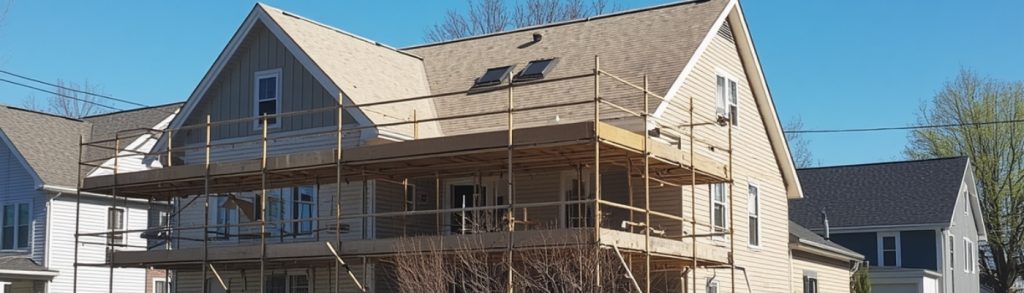
Temporary Roof Scaffolding for Renovation and Roof Replacement
Renovation projects often begin with excitement and a clear vision, yet they quickly reveal challenges that many property owners do not anticipate. One of the most significant issues is exposure to weather once structural work begins, especially during roof replacement or loft conversion.
In the United Kingdom, where rain, wind, and sudden weather changes are common throughout the year, even a short period without proper protection can lead to serious damage inside a property. Water ingress can affect ceilings, insulation, electrics, and even the structural integrity of a building. This is where temporary roof scaffolding becomes essential, not as an optional extra, but as a critical part of safe and effective construction planning.
Temporary roof scaffolding creates a controlled working environment above a property, allowing construction teams to carry out work without interruption while protecting the interior and external surfaces. It is widely used across residential and commercial projects, particularly when roofs are removed or when external wall restoration such as repointing, brick cleaning, or brickwork repair is underway.
When installed correctly by experienced scaffolders, it supports both safety and quality, ensuring that work progresses without unnecessary delays or damage. Understanding how temporary roof scaffolding works, why it is important, and how it integrates with other building services can help property owners make informed decisions and avoid costly mistakes during renovation.
During many renovation projects, external wall improvements often take place alongside roofing work, which makes protection even more important. Activities such as brick cleaning, repointing, and general brickwork repairs require stable and dry conditions to achieve a strong and lasting finish.
Rain or excess moisture can interfere with cleaning results, weaken fresh mortar during repointing, and affect the overall quality of brickwork restoration. By using temporary roof scaffolding, these processes can be carried out in a controlled environment, helping ensure that both the roof and the external walls are restored to a high standard without the risk of weather-related damage.
What Is Temporary Roof Scaffolding?
Temporary roof scaffolding is a protective structure built above a property using a combination of scaffolding and roofing components. Its main purpose is to create a covered space that shields a building from weather while construction or repair work is carried out. Unlike standard scaffolding, which is mainly used to provide access for workers at height, this system includes an overhead framework that acts like a temporary roof. This added layer of protection makes it suitable for projects where parts of the building are exposed, such as roof replacement, loft conversions, or major structural changes.
The key difference between standard scaffolding and temporary roofing systems lies in their function. Standard scaffolding focuses on access and support, allowing workers to move safely around a structure. Temporary roof scaffolding, on the other hand, is designed to protect both the working area and the property itself. It combines access with coverage, ensuring that work can continue even when weather conditions are not ideal.
To build this system, professionals use strong yet lightweight materials. Aluminium beams are commonly used to form the roof frame because they provide strength without adding excessive weight to the structure. Over this frame, protective coverings such as PVC sheeting or shrink wrap are installed. These materials are chosen for their durability and ability to resist water and wind. Once assembled, the system creates a fully covered working environment that helps maintain consistent conditions throughout the project.
Why Temporary Roof Scaffolding Is Essential
Temporary roof scaffolding plays an important role in keeping construction projects safe, efficient, and protected from external elements. One of its main benefits is protection against rain, wind, and debris. When a roof is removed or a structure is opened up, the interior becomes vulnerable to weather. Even a small amount of rain can lead to water entering the building, causing damage to ceilings, walls, insulation, and electrical systems. By covering the property, temporary roofing helps prevent these issues and keeps the structure secure.
Another important advantage is the ability to continue work without interruption. Construction schedules often depend on steady progress, and delays caused by weather can increase both time and cost. A covered environment allows workers to carry on with their tasks regardless of external conditions, helping projects stay on track. This is particularly useful in long or complex renovations where multiple stages need to be completed in sequence.
Worker safety is also improved with temporary roof scaffolding. Wet or windy conditions can make working at height more dangerous, increasing the risk of slips or accidents. By providing a sheltered area, the system creates a more stable and controlled environment, allowing workers to focus on their tasks with reduced risk.
Temporary roofing is especially important for tasks that require precise conditions, such as repointing and brick repairs. Fresh mortar used in repointing needs time to set properly, and exposure to rain can weaken its structure. Similarly, brickwork repairs require dry conditions to ensure strong bonding and long lasting results. By protecting these processes from weather exposure, temporary roof scaffolding helps maintain the quality and durability of the work carried out.
Where Temporary Roof Scaffolding Is Used
Temporary roof scaffolding is used across a wide range of construction and renovation projects where protection from weather is essential. One of the most common uses is during roof replacement projects, where the existing roof covering is removed and the internal structure is exposed. In such situations, even a short period of rain can lead to significant internal damage, which is why a protective roof structure is installed to keep the area dry and secure while work is carried out.
It is also widely used in loft conversions, where structural changes are made to transform unused roof space into a functional living area. During this process, parts of the roof are often opened up, making the property vulnerable to weather conditions. Temporary roof scaffolding provides the necessary cover to ensure that construction can continue without interruption while protecting the interior of the property.
Structural renovations that involve major alterations to a building also benefit from temporary roofing systems. Whether it is removing sections of the roof, altering load bearing elements, or extending the property, these projects require a controlled environment to maintain safety and quality. Similarly, properties that have suffered storm or fire damage often need immediate protection to prevent further deterioration. Temporary roof scaffolding acts as a safeguard, allowing repair work to begin while shielding the structure from additional exposure.
External wall restoration projects are another key area where temporary roof scaffolding is used. Tasks such as repointing, brick cleaning, and brickwork repairs require stable and dry conditions to achieve effective results. By covering the working area, the system ensures that these processes can be carried out without interference from rain or moisture, helping maintain the integrity of the building.
Temporary Roof Scaffolding for Brickwork and Restoration Projects
Temporary roof scaffolding is an important part of external restoration work, as it creates a protected space where materials and processes are not affected by changing weather conditions. When working on walls and structural surfaces, maintaining a dry and stable environment is essential to achieve lasting results. Without proper cover, rain and moisture can disrupt progress and reduce the quality of the work being carried out.
Repointing and Proper Mortar Setting
Repointing requires fresh mortar to bond firmly between bricks, which can only happen when it is allowed to cure in controlled conditions. If exposed to rain too soon, the mortar can weaken, leading to cracks and reduced durability over time. A temporary roof helps keep the area dry, allowing the mortar to set correctly and ensuring that the joints remain strong and effective for years.
Brick Cleaning and Consistent Results
Brick cleaning often involves removing surface dirt, stains, or previous coatings to restore the original appearance of the building. This process depends on stable conditions, as moisture can affect how cleaning solutions react with the surface. With temporary roof scaffolding in place, the work can be carried out without interference from rain, resulting in a more even and improved finish.
Brickwork Repairs and Structural Protection
Repairing damaged brickwork requires careful handling and attention to detail. Whether replacing bricks or fixing structural issues, moisture can interfere with bonding and reduce the effectiveness of the repair. A covered working area allows these tasks to be completed without disruption, helping ensure that the repairs are both strong and precise.
Protection During Ongoing Work
During restoration projects, work is often carried out in stages, leaving certain areas exposed at different times. Temporary roofing provides continuous protection throughout the process, preventing weather related damage while work is still in progress. This helps maintain steady progress and avoids setbacks caused by unexpected conditions.
Achieving Long Lasting Results
By creating a controlled environment, temporary roof scaffolding supports high quality workmanship across all stages of brickwork and restoration. It reduces the risk of defects, improves consistency, and helps preserve both the appearance and strength of the building over time.
Step-by-Step Installation Process
Site Inspection and Planning
Every temporary roof scaffolding project begins with a detailed assessment of the property. Professionals carefully evaluate the size, structure, and condition of the building to understand what type of system is required. This stage also includes identifying access points and any limitations around the site. A thorough risk analysis is carried out to ensure safety at every stage, considering factors such as height, load requirements, and surrounding conditions. Planning is then completed based on both roofing work and any external wall restoration tasks like repointing or brickwork, ensuring the structure will support all aspects of the project.
Scaffolding Structure Setup
Once planning is complete, the base scaffolding structure is erected around the property. This involves assembling vertical and horizontal components to create a strong and stable framework. The structure is designed to support both workers and the temporary roof system above. It is securely fixed to the building using appropriate methods to maintain stability and prevent movement, even in changing weather conditions.
Roof Frame Installation
After the main scaffolding is in place, the roof frame is installed on top of the structure. This is typically built using aluminium beams or truss systems that provide strength without adding excessive weight. These components are carefully positioned to create a solid and balanced framework that will support the protective covering. The design ensures that the roof structure remains stable throughout the duration of the project.
Waterproof Covering
The next step involves installing the protective covering over the roof frame. Materials such as PVC sheeting or shrink wrap are commonly used because they are durable and resistant to water and wind. These coverings are fixed securely to ensure there are no gaps, creating a fully enclosed space. This stage is essential for providing complete weather protection, allowing work to continue regardless of external conditions.
Safety Checks and Compliance
Before the structure is put into full use, detailed safety checks are carried out. Professionals inspect the entire system to ensure it is stable and secure. This includes checking connections, load capacity, and overall strength. Wind resistance is also assessed to make sure the structure can withstand adverse weather. All work is completed in line with safety regulations, ensuring that the site meets required standards.
Maintenance During the Project
Temporary roof scaffolding requires ongoing monitoring while the project is in progress. Regular inspections are carried out to identify any signs of wear, movement, or damage. If weather conditions change, adjustments may be made to maintain stability and protection. This continuous maintenance helps ensure that the structure performs effectively throughout the project.
Dismantling After Completion
Once all construction or restoration work is finished, the temporary roof scaffolding is carefully removed. The process begins with taking down the protective covering, followed by dismantling the roof frame and scaffolding structure. Each stage is carried out safely to avoid damage to the property or surrounding area. Finally, the site is cleared, leaving the property clean and ready for use.
Key Benefits of Temporary Roof Scaffolding
Full Weather Protection
Temporary roof scaffolding provides complete protection against rain, wind, and falling debris. By covering the entire working area, it prevents water from entering the property and damaging internal structures. This level of protection is especially important when roofs are removed or when external walls are being repaired, as it keeps both the building and materials safe from changing weather conditions.
No Project Delays
One of the main advantages of installing a temporary roof is the ability to continue work without interruption. Weather related delays are common in construction, but with proper covering in place, work can proceed as planned. This helps maintain project timelines and ensures that different stages of the build are completed on schedule.
Cost Savings
Although it may seem like an added expense, temporary roof scaffolding can help reduce overall project costs. By preventing water damage and avoiding delays, it eliminates the need for additional repairs or extended labour. This makes it a practical investment that supports efficient project management.
Improved Safety
Working at height can become more dangerous in wet or windy conditions. Temporary roofing creates a more stable environment by reducing exposure to these elements. This helps lower the risk of slips and accidents, allowing workers to carry out their tasks with greater confidence and control.
Flexibility for Different Projects
Temporary roof scaffolding can be adapted to suit a wide range of building types and project sizes. Whether it is a small residential repair or a large scale renovation, the system can be designed to fit the specific requirements of the structure. This flexibility makes it suitable for both simple and complex construction work.
Better Results for Repointing
Repointing requires fresh mortar to set properly between bricks. Exposure to moisture during this process can weaken the joints and reduce their lifespan. A covered environment ensures that the mortar cures in the right conditions, resulting in stronger and more durable finishes.
Better Results for Brick Cleaning
Brick cleaning depends on consistent conditions to achieve an even appearance. Rain or excess moisture can affect cleaning methods and lead to uneven results. Temporary roofing helps maintain a controlled setting, allowing the cleaning process to deliver a cleaner and more uniform finish.
Better Results for Brickwork Repairs
Brickwork repairs involve careful handling of materials and precise application. Moisture can interfere with bonding and affect the strength of the repair. By providing protection throughout the process, temporary roof scaffolding helps ensure that repairs are completed to a high standard and remain effective over time.
Why Weather Protection Matters for Repointing and Brickwork
Weather conditions play a major role in the success of repointing and brickwork projects. When working with mortar, it is essential that the material is allowed to cure in dry and stable conditions. If moisture is present during this process, the bonding between bricks can be weakened, which reduces the strength and durability of the structure over time. Rain is particularly harmful at this stage, as it can wash away or dilute fresh mortar before it has properly set, leading to poor results and the need for rework.
Brick cleaning also depends on controlled conditions to achieve a consistent finish. Excess moisture can interfere with cleaning solutions and methods, resulting in uneven surfaces or incomplete removal of stains and dirt. In addition, unfinished brickwork that is exposed to moisture can absorb water, which may cause further damage or affect the overall quality of repairs. Temporary roof scaffolding helps eliminate these risks by creating a sheltered environment where all work can be carried out without disruption. This ensures that each stage of the process is completed under the right conditions, leading to stronger, more consistent, and long lasting results.
Safety Standards and Regulations
Safety is a key consideration in any construction project, and temporary roof scaffolding must be installed and managed in line with strict standards. Professional installation is essential to ensure that the structure is secure and capable of supporting both workers and materials. This involves careful planning and the use of appropriate techniques to create a stable system that performs reliably throughout the project.
Load bearing capacity is an important factor, as the scaffolding must be able to handle the weight of the roof structure, workers, and equipment without risk of failure. Wind and weather resistance are also critical, particularly in areas where conditions can change quickly. A well designed system takes these factors into account, providing strength and stability even in challenging environments.
Compliance with UK safety guidelines ensures that all aspects of the installation meet required standards. This includes regular inspections, proper assembly, and adherence to best practices in construction safety. By following these regulations, contractors can create a safer working environment and reduce the risk of accidents or structural issues.
Cost Factors to Consider
The cost of temporary roof scaffolding can vary depending on several factors, each of which contributes to the overall scope of the project. The size and height of the structure play a significant role, as larger buildings require more materials and labour to achieve full coverage. Taller structures may also need additional support to maintain stability, which can increase costs.
The duration of use is another key consideration. Projects that take longer to complete will require the scaffolding to remain in place for extended periods, which can affect pricing. The type of temporary roof system chosen also influences cost, as different materials and designs offer varying levels of protection and flexibility.
Project complexity can further impact the overall expense. Buildings with unusual shapes or restricted access may require customised solutions, which can involve additional planning and resources. Location and accessibility are also important, as sites with limited space or difficult entry points may require specialised equipment or extra time to set up the structure.
Choosing the Right Temporary Roofing Provider
Selecting the right provider is essential to ensure that temporary roof scaffolding is installed correctly and performs as expected. Experience in both roofing and restoration projects is important, as it allows contractors to understand the specific needs of different types of work. This includes knowledge of how temporary roofing supports processes such as repointing and brickwork repairs.
A good provider will have a strong understanding of safety requirements and hold the necessary certifications to carry out the work. This demonstrates their commitment to maintaining high standards and following industry guidelines. The quality of materials used is also important, as durable and well maintained components contribute to the overall reliability of the structure.
Transparent pricing is another factor to consider when choosing a provider. Clear and detailed quotes help avoid unexpected costs and allow property owners to plan their budgets more effectively. By working with experienced professionals who prioritise safety and quality, projects can be completed with confidence and peace of mind.
Common Mistakes to Avoid
One of the most common mistakes in construction projects is choosing scaffolding based solely on cost. While it may be tempting to opt for a lower price, this can lead to compromised safety and poor quality installation. Inadequate structures may fail to provide proper protection, increasing the risk of damage and delays.
Ignoring the need for weather protection is another issue that can affect the success of a project. Without a temporary roof in place, work may be disrupted by rain or wind, leading to extended timelines and additional expenses. This is particularly important for tasks such as repointing and brickwork, where conditions directly impact the quality of the results.
A lack of planning for external wall work can also create problems. Failing to consider how weather conditions affect brick cleaning or repairs can lead to inconsistent finishes and reduced durability. Hiring inexperienced contractors further increases these risks, as they may not have the knowledge or skills required to install and manage temporary roof scaffolding effectively.
Conclusion
Temporary roof scaffolding is a key element in modern renovation and roof replacement projects, providing protection, stability, and efficiency throughout the construction process. It plays an important role in safeguarding properties from weather related damage while allowing work to continue without interruption. By creating a controlled environment, it supports both roofing and external wall tasks, including repointing, brick cleaning, and brickwork repairs.
The benefits extend beyond immediate protection, contributing to improved safety, better workmanship, and long lasting results. When properly planned and installed, temporary roofing helps ensure that projects are completed to a high standard, with reduced risk of delays or additional costs.
If you are planning a renovation or roof replacement project, it is important to consider how temporary roof scaffolding can support your work. Speak with experienced professionals to understand the best approach for your property and ensure that your project is protected from the start. Booking a site survey can help identify your specific requirements and provide a clear plan for installation. Taking this step early can make a significant difference in achieving a safe, efficient, and high quality outcome.
At Jax Scaffolding, we deliver expertly planned temporary roof scaffolding solutions designed to protect your property during renovation and roof replacement work. We focus on creating safe, covered environments that support both roofing and external wall services, including repointing and brickwork. Our approach ensures your project continues smoothly while maintaining high standards of safety and workmanship.
FAQs
Q. What is temporary roof scaffolding used for?
Temporary roof scaffolding is used to protect buildings during construction or renovation work, especially when the roof is removed or exposed. It creates a covered space that keeps out rain and wind, allowing work to continue safely without damaging the property.
Q. Do I need temporary roof scaffolding for roof replacement?
Yes, in most cases it is highly recommended. Roof replacement exposes the interior of a building to weather, and without protection, rain can cause serious damage. Temporary roofing helps maintain dry conditions and ensures the project can continue without delays.
Q. How does temporary roofing help with repointing and brickwork?
Temporary roofing provides a dry and stable environment, which is essential for tasks like repointing and brickwork repairs. Mortar needs proper conditions to set correctly, and protection from rain helps improve the strength and durability of the finished work.
Q. How long does temporary roof scaffolding stay in place?
The duration depends on the size and complexity of the project. It can remain in place for a few days for small repairs or several weeks for larger renovations, ensuring protection throughout the entire construction process.
Q. Is temporary roof scaffolding safe during bad weather?
Yes, when installed by professionals, it is designed to withstand wind and harsh weather conditions. Regular inspections and proper securing methods ensure the structure remains stable and safe for both workers and the property.