
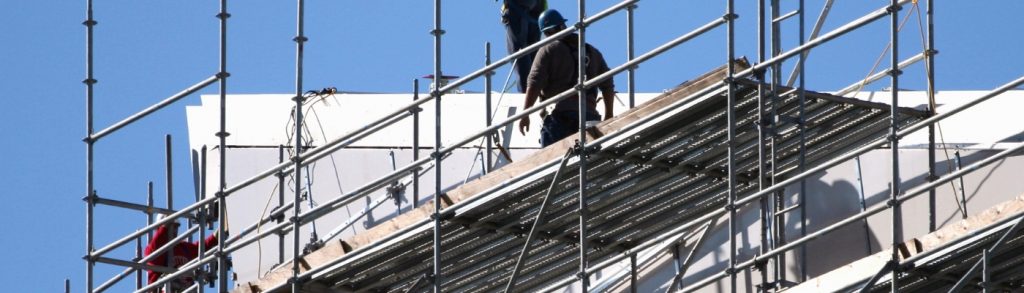
How Scaffolders Help Keep Roofing Projects Safe and Efficient
Roofing work often looks simple from the ground, yet it is one of the most demanding parts of any construction or property repair project. From replacing damaged roof tiles to carrying out a full roof installation, every stage involves height, heavy materials, changing weather conditions and constant movement across uneven surfaces. This is why professional scaffolders play such an important role in roofing projects across the UK. Without proper scaffolding services, roof work can become slow, unsafe and difficult to manage.
Many property owners focus mainly on roofing materials and labour costs, but safe access systems are just as important. A well planned scaffolding structure gives roofers the support they need to work carefully and complete tasks with greater control. Whether the project involves a domestic property, commercial building or temporary roof system, scaffolders help create a safer environment for workers, residents and the public.
Modern scaffolding services are now a major part of construction safety standards in the UK. Roofing contractors, builders and property owners depend on experienced scaffolders to prepare secure working platforms that support every stage of the job. From chimney repairs and gutter work to loft conversions and full roof replacements, scaffolding allows projects to move forward in a safer and more organised way while helping reduce delays and unnecessary risks.
Why Safe Scaffolding Is Essential for Roofing Work
Roofing projects place workers in high and exposed positions for long periods. Sloping surfaces, wet weather, loose tiles and limited footing can quickly increase the risk of falls or accidents. Professional scaffolders help lower these dangers by creating stable access around the building. This gives roofers enough space to move safely while handling equipment and materials.
Scaffolding services support roofing safety in several ways. Guard rails, working platforms and edge protection systems help stop slips and falls while making movement easier across different areas of the roof. Scaffold towers and temporary access points also allow workers to carry tools and materials without placing strain on ladders or unstable surfaces. This improves both safety and productivity during the roofing process.
In the UK, construction safety regulations place strong importance on working at height. Roofing companies often need scaffolding that meets strict standards before work can begin. Skilled scaffolders understand these requirements and build structures that support both legal compliance and practical site safety. This gives property owners peace of mind while helping roofing contractors carry out work more effectively.
Weather conditions in Britain also make scaffolding an important part of roofing work. Rain, wind and cold temperatures can create dangerous conditions on roofs. A properly designed scaffold system offers stronger footing and safer movement during changing weather. Temporary roof scaffolding can even protect exposed areas of the building while repairs or replacements are taking place. This helps prevent water damage and allows roofing projects to continue during less favourable weather conditions.
Good scaffolders also think ahead when planning roofing access. They assess building shape, roof height, nearby structures and public access before installation begins. This careful preparation helps reduce future problems and keeps the site organised from start to finish.
How Scaffolders Improve Roofing Project Efficiency
Many people associate scaffolding mainly with safety, but it also has a major effect on project speed and organisation. Roofing work becomes much easier when workers can move freely and access materials without interruption. Scaffolders help create an environment where roofing teams can work faster while maintaining better standards.
Without proper scaffolding, roofers may need to spend extra time repositioning ladders, carrying tools carefully by hand or working in awkward positions. These delays add up across large projects and can increase labour costs. Scaffolding systems provide direct access to roof areas, which helps roofing teams work continuously without unnecessary interruptions.
Professional scaffolders also plan structures around the needs of the roofing contractor. If materials need to be stored safely at height, scaffolding platforms can support this. If roofers require access to chimneys, valleys or difficult corners, scaffolders can adjust the structure to improve movement around these areas. This level of planning allows roofing projects to progress with fewer obstacles.
Efficiency also improves because scaffold systems reduce physical strain on workers. Roofing can be exhausting work, especially when workers constantly climb ladders or carry heavy materials across unstable surfaces. Scaffolding provides stronger support and easier access, helping workers conserve energy and focus on the quality of their work.
Projects involving roof replacements often produce large amounts of waste materials such as broken tiles, old timber and damaged insulation. Scaffolding can help with waste management by supporting safe disposal systems and easier removal methods. This keeps the site cleaner and reduces hazards during construction work.
For commercial roofing projects, scaffolding is even more important. Large buildings require extensive access systems that allow multiple workers to operate safely at the same time. Experienced scaffolders design structures that support heavy workloads while helping different trades work together more smoothly. This can reduce downtime and improve communication across the site.
The Role of Scaffolders in Different Roofing Projects
Not every roofing project is the same, which is why scaffolders must adapt their approach depending on the building and type of work involved. Domestic homes, listed buildings, industrial properties and commercial developments all require different scaffolding solutions.
For residential roofing work, scaffolders often create perimeter scaffolding around the property to allow safe access to all sides of the roof. This is common during tile replacement, chimney repairs, gutter maintenance and loft conversion work. Homeowners benefit because the project becomes safer and less disruptive.
Commercial roofing projects may involve larger scaffold systems with loading bays, stair access towers and temporary weather protection. These structures support bigger roofing teams and allow work to continue across wide roof areas. Skilled scaffolders understand how to balance strength, access and site space while maintaining safety standards.
Historic and listed buildings require extra care during roofing work. Older structures can have fragile surfaces or unusual roof designs that need specialist scaffolding techniques. Experienced scaffolders carefully plan installations to avoid damage while still giving roofers the access they need. This attention to detail is especially important in conservation projects where protecting the building is a top priority.
Temporary roof scaffolding has also become more common in the UK construction sector. These systems cover exposed roof areas and help protect properties during long repair projects or poor weather. Temporary roof systems are useful during major refurbishments, fire damage repairs and storm restoration work. They allow roofers to continue working while reducing the risk of weather related delays.
Scaffolders also play an important role during emergency roof repairs. Storm damage, falling debris and structural problems may require immediate action to protect the building. Quick scaffold installation helps roofing contractors access dangerous areas safely and begin urgent repairs without delay.
Why Experience Matters in Scaffolding Services
Roofing safety depends heavily on the quality of the scaffolding system. Poorly installed scaffolding can create serious risks for workers, residents and pedestrians. This is why experienced scaffolders are essential for any roofing project.
Professional scaffolders understand weight distribution, structural balance and site safety. They know how to secure platforms correctly and inspect every part of the structure before work begins. Their experience helps prevent problems that could slow down the project or place workers in danger.
Experienced scaffolders also communicate closely with roofing contractors throughout the project. If roofing work changes or extra access is needed, scaffold systems can often be adjusted safely to match the new requirements. This flexibility helps roofing projects continue without major disruption.
Another important factor is compliance with UK health and safety standards. Construction regulations continue to evolve, and scaffolders must stay updated with current guidance and working at height requirements. Professional scaffolding companies regularly inspect their equipment and follow strict installation procedures to maintain safe working conditions.
Property owners may not always recognise the technical skill involved in scaffolding, yet it requires careful planning and specialist knowledge. Factors such as ground conditions, pavement access, nearby roads and public safety all influence the final scaffold design. Experienced scaffolders assess these details before construction starts, helping avoid future complications.
Insurance and liability are also important considerations during roofing work. Professional scaffolding companies often carry appropriate insurance cover and follow recognised safety procedures. This adds another layer of protection for both contractors and property owners.
How Scaffolding Supports Better Roofing Results
Roof quality often improves when roofers can work in safer and more comfortable conditions. Scaffolding gives workers the ability to focus on accurate installation and careful repairs instead of constantly worrying about balance or access limitations.
When roofing teams have proper access around the property, they can inspect roof areas more closely and spot hidden problems earlier. This may include damaged flashing, weak timber, blocked gutters or cracked chimney sections. Early detection helps prevent more costly repairs later.
Scaffolding also supports better handling of roofing materials. Tiles, slates, felt and timber can be moved more safely and stored more efficiently during the project. This reduces the risk of damage while helping roofing teams maintain a smoother workflow.
For homeowners, scaffolding can make roofing projects less stressful. Workers can access the roof externally without constantly moving through the property. This reduces disruption while helping keep the worksite more organised. Protective scaffold sheeting can also help contain dust and debris during roof repairs.
Another benefit is improved communication between trades. Roofing projects often involve builders, electricians, chimney specialists and guttering contractors working together. Scaffolding systems provide shared access points that help different teams coordinate their work more effectively.
As roofing methods continue to develop, scaffolders are adapting to support modern construction practices. Solar panel installation, energy efficient roofing systems and green roof projects all require specialist access solutions. Skilled scaffolders now work alongside renewable energy contractors and modern roofing teams to support these growing sectors across the UK.
The Long Term Value of Professional Scaffolding
Some property owners may view scaffolding as an extra expense during roofing work, yet it often saves time, improves safety and protects the quality of the finished project. Attempting roof work without proper scaffolding can increase accident risks, slow down progress and lead to poor workmanship.
Professional scaffolders help create a controlled working environment where roofers can perform their tasks more effectively. This supports better project management, safer conditions and smoother communication between everyone involved in the work.
Roof repairs and roof replacements are major investments for many homeowners and businesses. Protecting that investment means creating safe access for skilled tradespeople from the very beginning. Scaffolding services are not simply temporary structures around a building. They are an essential part of construction planning that supports safety, efficiency and long term roofing performance.
Across the UK construction industry, scaffolders continue to play a central role in helping roofing projects move forward safely and successfully. Their work often stays in the background, yet without strong scaffolding systems many roofing projects would become far more dangerous and difficult to complete. By supporting safe working conditions, organised access and better productivity, scaffolders help ensure roofing work meets modern standards while protecting workers, properties and the public alike.
At JAX Scaffolding, we provide safe and professionally managed scaffolding services for residential, commercial and industrial projects across the area. We work closely with contractors, property owners and roofing teams to deliver secure access solutions that support smooth progress from start to finish.
We understand that every project requires careful planning, which is why our scaffolding systems are designed to improve site safety, support efficient working conditions and help construction work move forward with confidence.
FAQs
What do scaffolders do during roofing projects?
Scaffolders build safe access platforms around buildings so roofers can work at height more safely and efficiently during repairs or installations.
Why is scaffolding important for roof repairs?
Scaffolding provides stable working areas that help reduce accidents, improve access and support better movement for roofing teams.
How long does scaffolding stay up for roofing work?
The duration depends on the size of the roofing project. Small repairs may take a few days, while larger jobs can require several weeks.
Is scaffolding needed for small roofing jobs?
Yes, even smaller roofing tasks may require scaffolding to improve safety and allow workers to access difficult roof areas properly.
Can scaffolding help during bad weather?
Temporary roof scaffolding can help protect parts of the property from rain and allow roofing work to continue more safely.
Do scaffolders follow UK safety regulations?
Professional scaffolders work according to UK health and safety standards to help create safer working conditions on construction sites.
What types of buildings need scaffolding services?
Scaffolding services are commonly used for homes, commercial properties, industrial sites and listed buildings during roofing work.
How does scaffolding improve roofing efficiency?
Scaffolding gives roofers easier access to materials and roof sections, helping projects move faster with fewer delays.
Can scaffolding protect the public during construction work?
Yes, scaffolding systems often include safety barriers and protective features that help reduce risks near public areas.